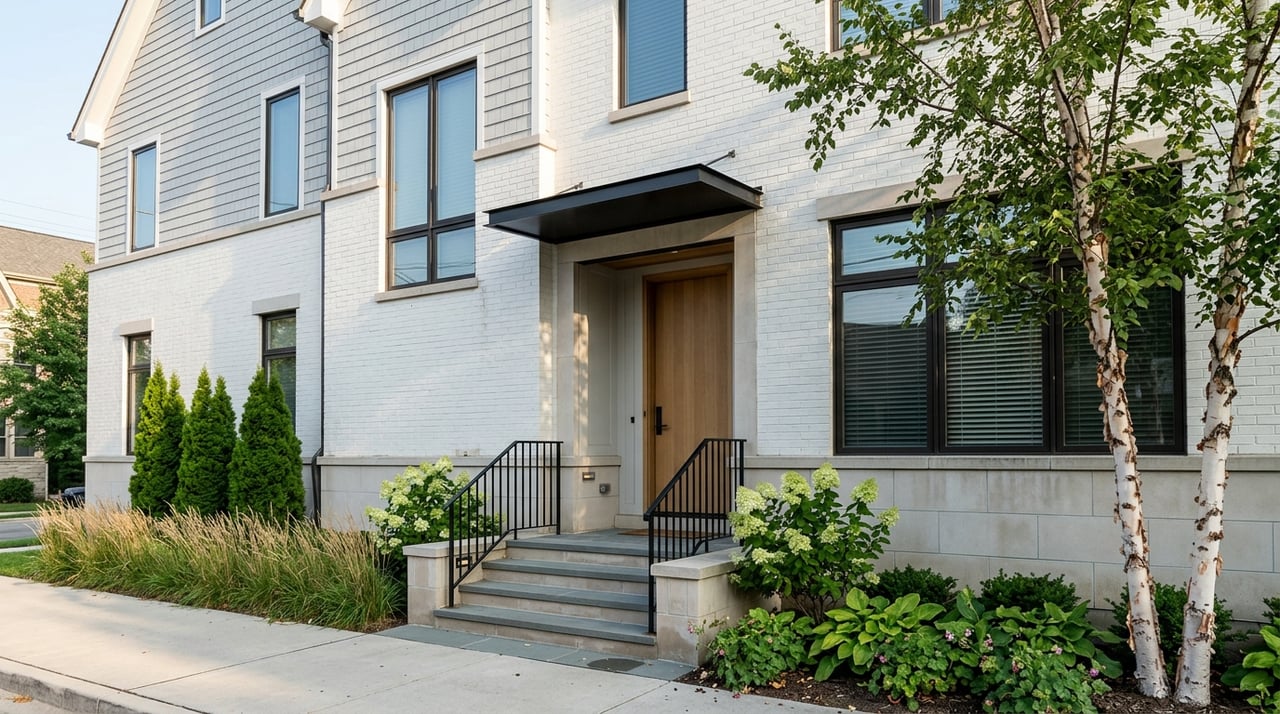
If you’re deciding between Downtown Minneapolis and the lakes area, you’re really choosing between two very different daily rhythms. One puts you close to restaurants, transit, sports, and a fast-paced urban routine. The other brings you closer to trails, parkways, neighborhood business districts, and a more residential feel. This guide will help you compare lifestyle, housing, convenience, and mobility so you can figure out which part of Minneapolis fits you best. Let’s dive in.
Downtown Minneapolis lifestyle
Downtown Minneapolis is the better fit if you want your home base to feel connected, active, and close to the city’s biggest destinations. Areas like the North Loop, Mill District, and Downtown East are known for walkability, entertainment, dining, and a strong mix of residential and commercial uses.
According to Meet Minneapolis, downtown offers a walkable urban setting where dining, culture, and entertainment are a short walk or ride away. The North Loop is described as a live-work neighborhood and a destination for arts, shopping, and restaurants, shaped in part by renovated warehouse buildings and newer urban development.
Why downtown appeals to buyers
If you like the idea of stepping outside and having a lot within easy reach, downtown stands out. Everyday life can include coffee shops, restaurants, event venues, shopping, and public spaces without needing to drive for every stop.
Downtown also tends to appeal to buyers who want a condo or loft lifestyle. Research on Downtown East points to a strong residential transformation with a healthy grouping of newer condos, while the North Loop’s built environment reflects adaptive reuse and urban housing patterns tied to former industrial buildings.
Transit and car-light living downtown
For buyers who want to rely less on a car, downtown has the strongest transit advantage in this comparison. Metro Transit says downtown Minneapolis includes five shared Blue and Green Line stops, Orange Line service on Marquette and 2nd Avenues, and a Downtown Zone fare for short local trips.
There is also direct convenience for regional travel. Metro Transit notes that downtown is about a 20-minute light-rail ride from MSP Airport on the Blue Line, which can make a meaningful difference if you travel often or regularly host out-of-town guests.
Downtown convenience and entertainment
Downtown offers the densest concentration of dining and entertainment in this matchup. The North Loop highlights award-winning restaurants and boutiques, while downtown guides point to the skyway system as part of daily convenience, with access to restaurants, coffee shops, and shopping.
If sports, concerts, nightlife, and a busy social calendar are high on your list, downtown usually has the edge. The Mill District and East Town also benefit from proximity to major venues and central transit connections, including U.S. Bank Stadium station.
Lakes area lifestyle
The lakes area offers a different kind of Minneapolis living. Around Bde Maka Ska, Lake of the Isles, and Lake Harriet, the experience is more residential and park-centered, with neighborhood streets, local business districts, and easy access to some of the city’s most recognized outdoor spaces.
Neighborhood sources describe East Isles as a historic urban neighborhood with tree-lined streets and parks, while East Harriet points to two-story homes set back from the street. Ward 13 describes the southwest lake area as a mix of neighborhoods with active parks and neighborhood business districts, which helps explain why this part of the city often feels more rooted in daily neighborhood routines.
Why the lakes area appeals to buyers
If you want your surroundings to feel calmer and more residential, the lakes area often delivers that better than downtown. The setting is still within Minneapolis, but the rhythm is shaped more by parks, trails, and neighborhood-scale commerce than by towers, transit stations, and major entertainment venues.
This area can also suit buyers who want more variety in home types. Research cited for East Isles describes a mix that includes apartment buildings, townhomes, condos, duplexes, and single-family homes, while East Harriet and Lynnhurst include more traditional detached homes and larger residential lots.
Outdoor access near the lakes
This is where the lakes area clearly stands apart. The Minneapolis Park and Recreation Board oversees an extensive citywide system that includes 7,059 acres of parkland and water, 102 miles of Grand Rounds biking and walking paths, and 22 lakes.
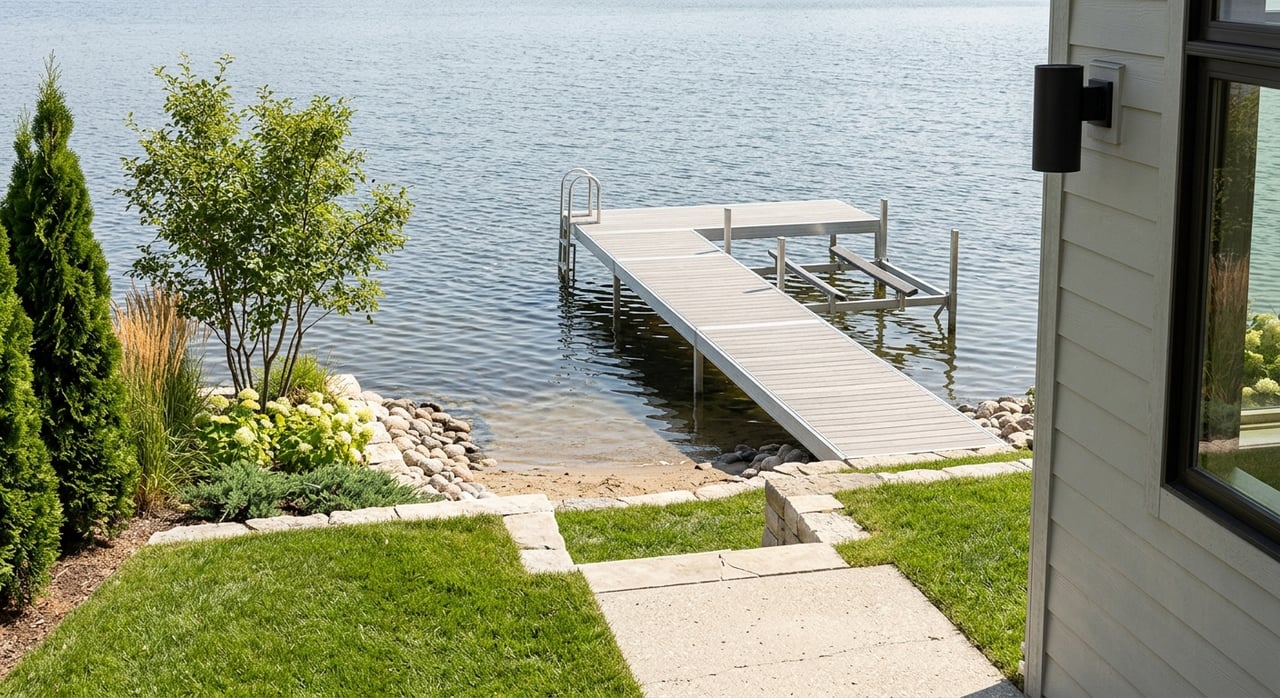
Living near the southwest lakes puts that system into daily life in a very direct way. Bde Maka Ska offers 3.1 miles of pedestrian trails and 3.19 miles of bike trails, plus beaches, rentals, and sailing lessons. Lake Harriet includes 2.75 miles of pedestrian trails and 2.99 miles of bike trails, along with beaches, rentals, and the bandshell for seasonal concerts and movies. Lake of the Isles adds 2.63 miles of pedestrian trails and 2.76 miles of bike trails, plus skating, cross-country skiing, canoeing, and maintained year-round paths.
Neighborhood convenience in the lakes area
The lakes area is not as dense as downtown, but it still offers strong day-to-day convenience. East Isles says more than 50 shops and restaurants line its southern and eastern borders, while Linden Hills and Cedar-Isles-Dean point to neighborhood business districts and local commercial pockets embedded within the park-focused setting.
In practical terms, that often means your routine may center more on local coffee shops, neighborhood restaurants, specialty retail, and outdoor errands. For many buyers, that feels more relaxed and personal than a downtown entertainment core.
Getting around in each area
The biggest mobility difference is simple. Downtown is transit-first, while the lakes area is more oriented around biking, walking, neighborhood travel, and parkway connections.
Downtown’s rail and bus access make it easier to live car-light, especially if your work, social life, or travel patterns connect to central Minneapolis or the airport. The lakes area is still well connected, but the research points more toward a residential transportation pattern.
Biking and walking near the lakes
If biking and recreational walking are part of your everyday lifestyle, the lakes area has a major advantage. East Isles includes access to the Midtown Greenway, which links east to the Mississippi River and west to the city limits, while the major lakes each offer dedicated walking and biking loops.
That setup supports both recreation and neighborhood errands. For some buyers, that is a better quality-of-life fit than rail access alone.
Housing feel and home types
Housing choice is one of the clearest differences between these two parts of Minneapolis. Downtown generally leans toward condos, lofts, and newer urban residential units, especially in areas that have seen major redevelopment.
The lakes area offers a broader mix. You will still find condos and apartments, but you are also more likely to see duplexes, townhomes, and detached homes on residential streets. If your goal is a more classic house-and-yard feel, the lakes area is usually the stronger match based on the housing patterns in the research.
Downtown housing character
Downtown housing often appeals to buyers who prioritize convenience, modern amenities, and a low-maintenance setup. In neighborhoods shaped by former warehouse buildings and new residential projects, the lifestyle can feel streamlined and urban.
That can be especially appealing if you want to be close to work, events, and dining, or if you prefer a lock-and-leave type of home. For some buyers, that simplicity is the main draw.
Lakes area housing character
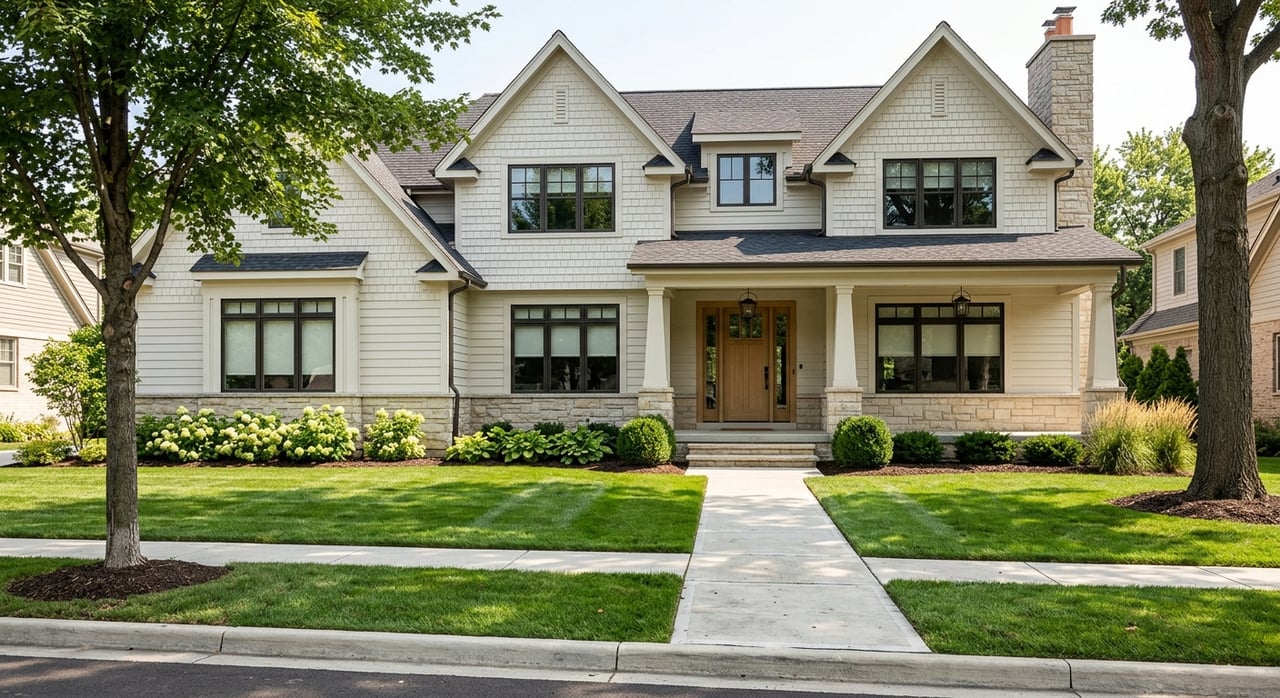
Near the lakes, housing often feels more varied and more rooted in residential streetscapes. East Harriet references two-story homes set back from the street, and the Lynnhurst Residential Historic District includes 2- to 3-story houses on large lots.
That pattern may appeal if you want more indoor-outdoor living, more separation from commercial activity, or simply a neighborhood setting with a different visual rhythm than downtown. It is still city living, but it reads very differently.
Which area fits your lifestyle?
If you picture your ideal day including rail access, nearby restaurants, skyline views, and easy access to major events, Downtown Minneapolis may be the better fit. It is especially strong for buyers who want a walkable, amenity-rich condo or loft lifestyle.
If you picture your day starting with a walk around the lake, biking neighborhood trails, and returning to a quieter residential setting, the lakes area may suit you better. It tends to fit buyers who want park access built into everyday life and more variety in home styles.
Neither choice is universally better. The right fit depends on whether you value urban intensity and transit convenience, or residential character and daily access to green space.
If you’re weighing Minneapolis neighborhoods and want a clear, local perspective on home style, lifestyle fit, and market positioning, Ian Petersen can help you compare your options with confidence.
FAQs
Is Downtown Minneapolis or the lakes area better for walking?
- Downtown Minneapolis is stronger for walkable access to restaurants, entertainment, and transit, while the lakes area is stronger for walking tied to parks, trails, and neighborhood streets.
Is Downtown Minneapolis or the lakes area better for public transit?
- Downtown Minneapolis has the clearer transit advantage, with Blue and Green Line stops, Orange Line service, and a Downtown Zone fare for short local trips.
Is the lakes area in Minneapolis better for outdoor access?
- Yes, the lakes area has the stronger built-in outdoor advantage because Bde Maka Ska, Lake Harriet, and Lake of the Isles all offer dedicated trails and seasonal recreation.
What home types are more common in Downtown Minneapolis?
- Downtown Minneapolis is more closely associated with condos, lofts, and newer urban residential development, especially in areas like Downtown East and the North Loop.
What home types are more common near the Minneapolis lakes?
- The lakes area includes a broader mix of condos, apartments, townhomes, duplexes, and single-family homes, with more detached-home options than downtown.
Which Minneapolis area is better for nightlife and dining?
- Downtown Minneapolis generally has the edge for nightlife, restaurant density, and entertainment, especially in the North Loop and Mill District.