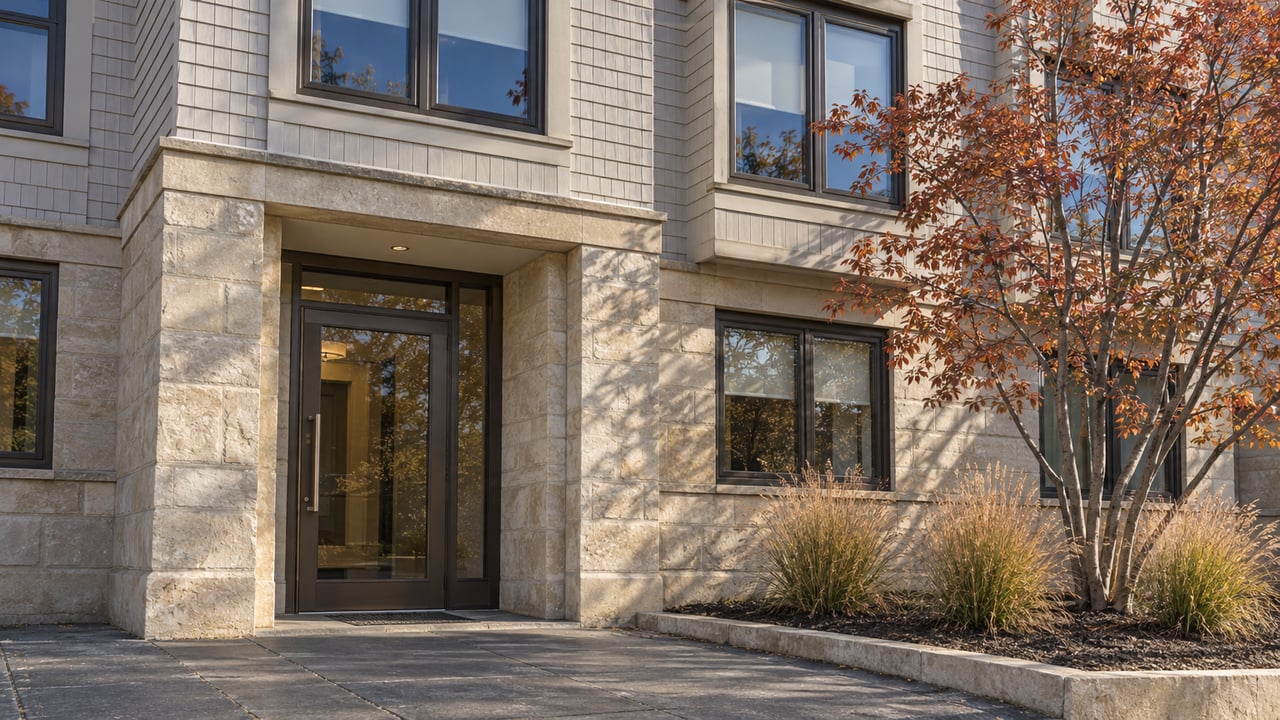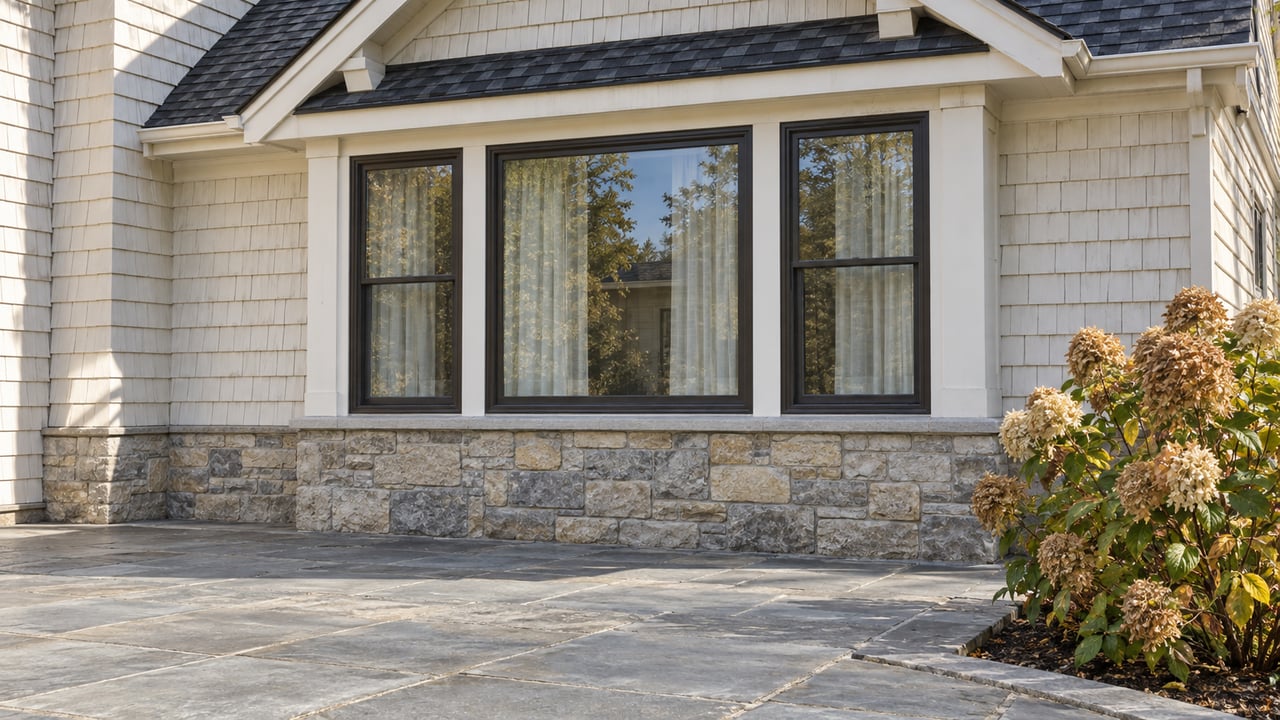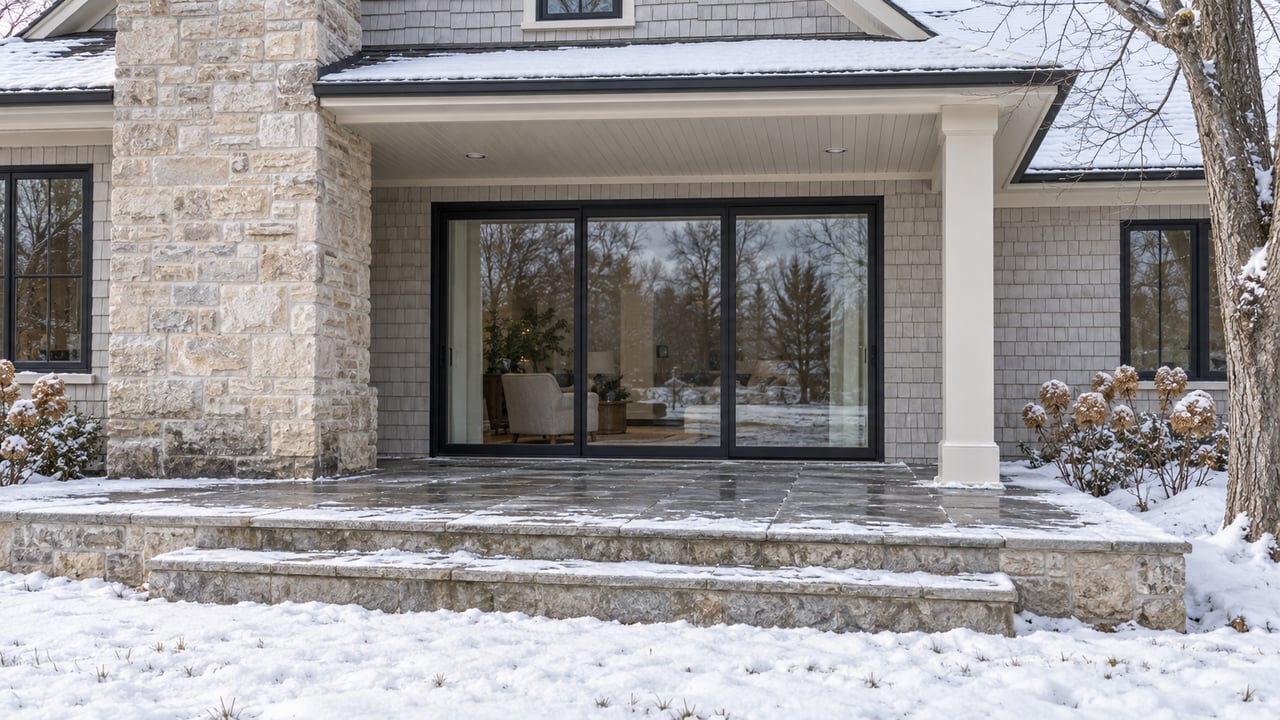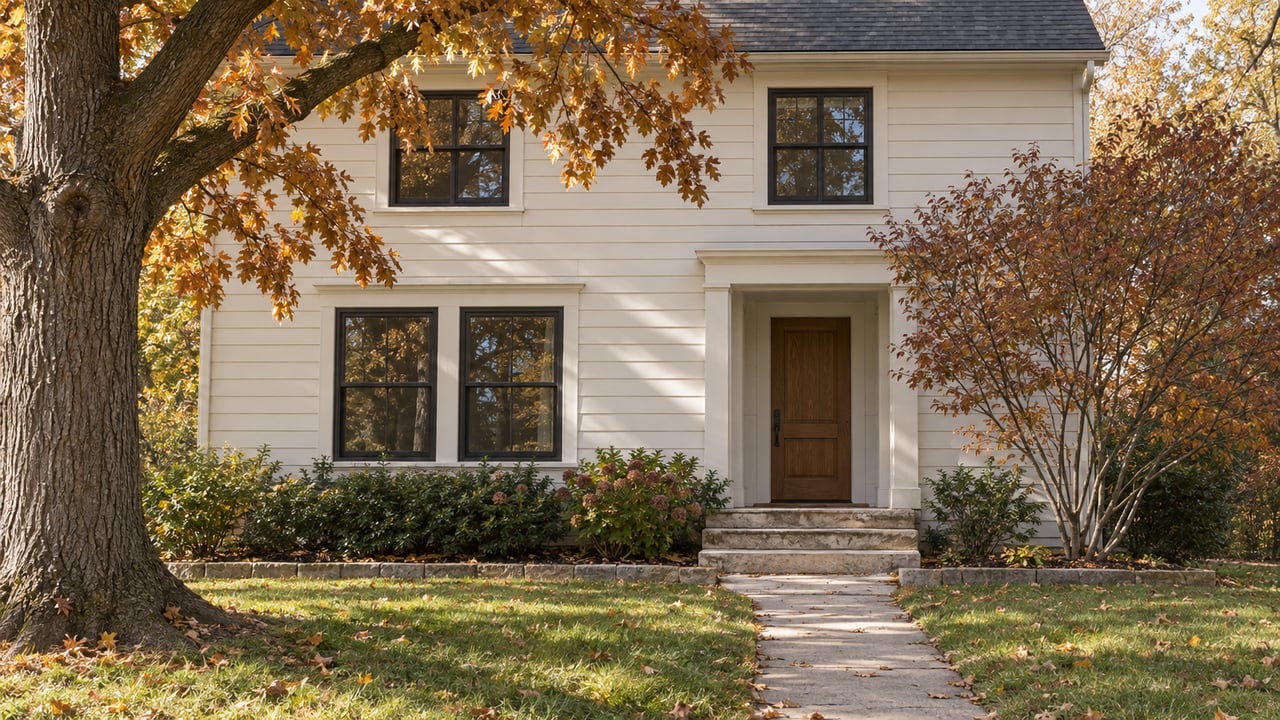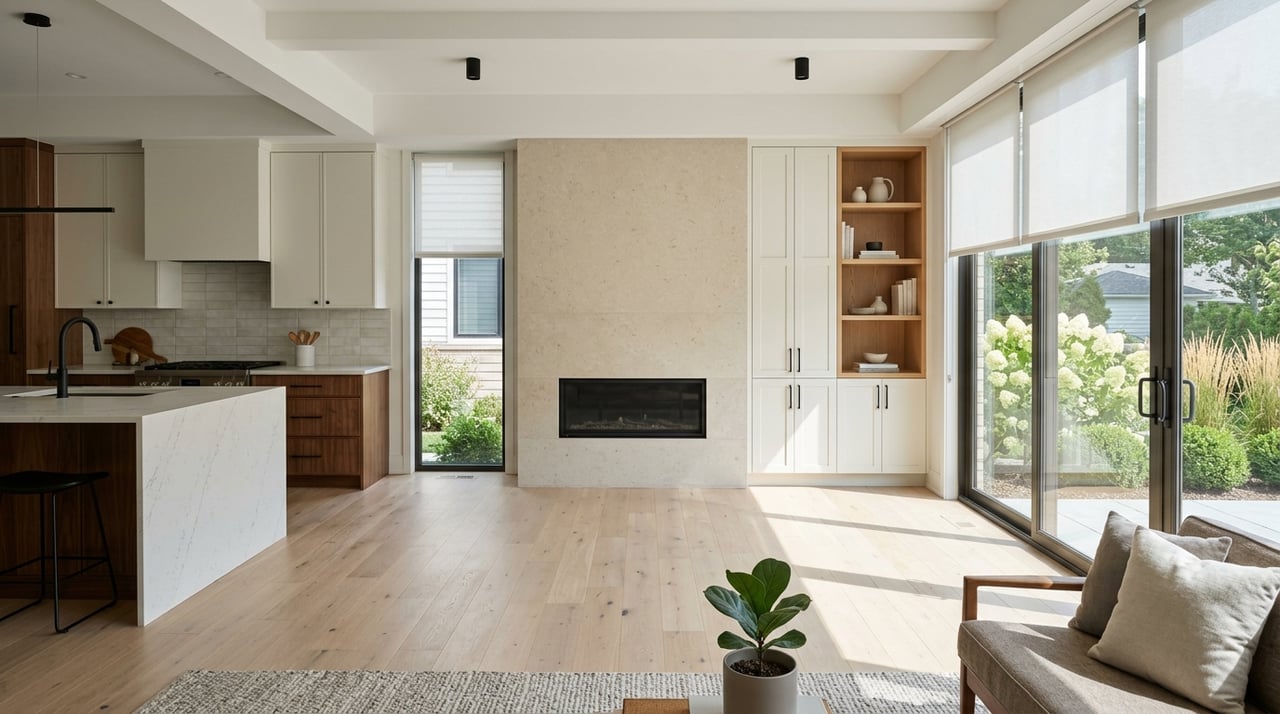
If you are searching for a luxury new construction home in Minneapolis, you are looking in one of the city’s most limited housing categories. Unlike fast-growing suburban markets with large new subdivisions, Minneapolis luxury new construction is usually an infill opportunity, a replacement home, or a boutique condo project woven into existing neighborhoods. That can make the process feel more complex, but it also creates opportunities for buyers who want modern design in established locations. This guide will help you understand what to expect, where the friction points are, and how to approach the search with confidence. Let’s dive in.
Why luxury new construction is limited
Luxury new construction in Minneapolis is shaped by scarcity. In 2024, the city permitted 640 new dwelling units, but only 31 permits were issued for new single-family homes. Most new construction activity was concentrated in buildings with four or more units.
For you as a buyer, that matters because it explains why true luxury new construction can be hard to find. In Minneapolis, many opportunities come from teardown-and-rebuild projects, one-off custom homes, or smaller condo developments rather than broad neighborhood releases with multiple similar homes.
Another reason supply stays tight is zoning. In many residential areas, Minneapolis allows only one principal residential structure per lot. On top of that, the city has more than 200 locally designated landmarks and historic districts, which can further shape what gets built and how quickly a project moves forward.
What luxury new construction looks like locally
In Minneapolis, the phrase new construction often means something different than it does in outlying suburbs. Here, luxury product is more likely to be a custom single-family build on a city lot, a high-end replacement home, or a boutique condo building with a smaller footprint.
That local context is important when setting expectations. You may not see rows of available inventory or a long menu of spec homes. Instead, you are often evaluating homes that were individually planned for a specific site, with design decisions shaped by city standards and neighborhood context.
Single-family custom and replacement homes
Single-family luxury homes in Minneapolis are usually highly site-specific. These projects often involve an existing house being removed, followed by a new design that must fit the lot, the block, and the city’s approval framework.
That means your options may include meaningful customization, but not unlimited freedom. Layout, finishes, façade materials, garage placement, outdoor living areas, and technology features may be flexible, while overall siting and exterior presentation still need to meet local requirements.
Boutique condo opportunities
Boutique condos can be an attractive option if you want newer construction with less maintenance than a detached home. In Minneapolis, these projects often sit between custom single-family work and larger multifamily development.
Scale matters here. The city’s inclusionary zoning ordinance applies to new housing projects with 20 or more units, so smaller condo projects may operate under a different development framework than larger buildings. Even so, they still must move through the standard zoning and building approval process.
How design rules shape luxury homes
One of the most important things to know is that Minneapolis uses a site-plan point system for new residential construction with one to three units. Each project must earn at least 17 points.
For luxury buyers, that is more than a technical rule. It directly influences what a new home can look like and which design features may be emphasized during planning.
Features the city rewards
The point system includes features that often align well with higher-end housing, such as:
- Front porches
- Street-facing windows
- Rear-side windows
- Detached garages placed toward the back of the lot
- Masonry or stone exterior materials
- Tree retention or planting
- Basements
- Stormwater credit features
- Building height that fits the block
- EV charging stations
This is one reason luxury homes in Minneapolis often feel tailored to their surroundings. The city’s design standards encourage compatibility with the existing streetscape, rather than allowing a home to ignore the context around it.
What custom really means in Minneapolis
If you are considering a custom home, it helps to define the term clearly. Nationally, custom homes are generally one-of-a-kind projects where the buyer often chooses the land and the builder starts fresh on the design. Production homes, by contrast, typically offer a set menu of plans and options.
In Minneapolis, custom usually still means a one-off home, but within a tighter local framework. You may have the ability to personalize floor plans, finishes, special-use rooms, smart-home systems, screened porches, wellness spaces, or entertainment areas, while still working within city siting and design standards.
That balance is part of the appeal. You can pursue a home that feels highly personal, while also understanding that neighborhood fit and city review are part of the process.
Understanding permits and timing
New construction in Minneapolis should be treated as a process, not a one-day transaction. For a one- or two-family home, the city says the path typically starts with demolition review if an existing structure must be removed, followed by the building permit application, plan upload through ProjectDox, intake review, departmental plan review, construction, inspections, and a final certificate of occupancy before the home can be occupied.
The city says initial plan review generally takes 15 business days, with 5 business days for each resubmittal. That timeline alone can make planning more involved than some buyers expect, especially if revisions are needed.
A broad national benchmark cited by NAHB is 6.3 months from the start of construction to completion for single-family homes built for sale. In Minneapolis, projects that involve demolition, land-use review, or design changes can take longer because they also move through zoning, code, and occupancy checks.
Historic district timing
If the property is in a landmark or historic district, there may be another review layer. Minneapolis says new construction, additions, demolition, and exterior material changes in those areas go through preservation review.
That process typically takes about 6 to 8 weeks and may address windows, porches, roofing, landscaping, and other exterior elements. For you, that means the design conversation may be more detailed and more prescriptive than it would be on a non-designated property.
Inspections happen in phases
Even the best-planned luxury build is not something you evaluate only at the end. Minnesota’s residential inspection checklist shows that officials review multiple phases of construction, including footing and foundation work, rough-in plumbing and mechanical work, framing, insulation, and final inspections.
This phased review process is one reason patience matters. It also reinforces why clear communication with the builder and close tracking of progress are so important throughout the build.
Choosing the right builder and contract terms
In a premium price range, builder selection is just as important as property selection. A qualified builder should provide a written estimate, a detailed contract, a clear construction schedule, and an explanation of communication and customer-service expectations. Buyers should also verify that the builder has the appropriate licenses and insurance.
Minnesota’s Attorney General says a new-home contract should address:
- Permits and inspections
- An anticipated start date
- An anticipated completion date
- A written change-order clause
- A payment schedule
- A holdback clause
- Cleanup responsibilities
For larger or higher-dollar projects, attorney review is also recommended by the Attorney General. In luxury new construction, that can be a smart step because contract details often have meaningful financial implications.
Why change orders matter
Change orders are one of the biggest budget and timeline variables in a custom or semi-custom build. If you decide to adjust materials, layouts, built-ins, or finish selections during the process, those changes can affect both cost and completion timing.
Minnesota’s Attorney General specifically advises that major changes be put in writing. That written record helps protect everyone involved and keeps expectations clear as the project evolves.
New-home inspections and warranty protection
A new home is still a home under construction, and new does not always mean defect-free. Minnesota Commerce says inspection contingencies are common and can allow a buyer to cancel and recover earnest money if the inspection is unsatisfactory by the stated deadline.
That means you should not assume a newly built property is automatically problem-free. Independent inspection still matters, even when city inspections have occurred during construction.
Minnesota’s statutory new-home warranties generally provide:
- One year for workmanship and materials
- Two years for plumbing, electrical, heating, and cooling installation defects
- Ten years for major construction defects
The Attorney General also explains that homeowners must give written notice, allow an inspection, and follow the repair and dispute process before suing under the warranty statute. For you, that means warranty protection exists, but it also comes with procedures that should be understood in advance.
New construction versus renovated historic homes
Many Minneapolis buyers end up weighing a luxury new build against a renovated historic home. Both can be compelling, but they deliver different experiences.
A new build may offer more customization, newer systems, and a builder-warranty framework. A renovated historic home may offer distinctive character and an established setting, but if it is a landmark or located in a historic district, exterior changes and material updates may require preservation review.
Here is the practical tradeoff: new construction often gives you a cleaner slate, while a historic property may ask you to work more carefully within an existing architectural framework. In Minneapolis, where historic districts are common, that distinction can be very important.
How to approach your search strategically
Because luxury new construction inventory is limited in Minneapolis, your search often benefits from a focused and patient approach. It helps to think in terms of property type, location, and process readiness rather than waiting for a large batch of similar listings to appear.
A strong plan may include:
- Defining whether you prefer a custom single-family home or a boutique condo
- Identifying neighborhoods where infill or replacement-home opportunities are more likely
- Understanding whether a property may face historic preservation review
- Reviewing builder reputation, schedule, and contract structure carefully
- Planning for change orders, phased inspections, and longer timelines when needed
In a market like Minneapolis, success often comes from being well-prepared early. When the right opportunity appears, you want to be ready to evaluate not just the finishes, but the full path to completion and occupancy.
If you are considering a luxury new construction home in Minneapolis, experienced guidance can help you sort through timing, property type, builder expectations, and neighborhood context. For a thoughtful, high-touch approach to premium homes in Minneapolis and the west metro, connect with Ian Petersen.
FAQs
What makes luxury new construction in Minneapolis different from the suburbs?
- Minneapolis luxury new construction is usually infill, replacement housing, or boutique condo product rather than large subdivision development, and single-family permit volume is very limited.
How long does a luxury new construction home take in Minneapolis?
- A national benchmark is about 6.3 months from start to completion for single-family homes built for sale, but Minneapolis projects can take longer because of permit review, resubmittals, inspections, demolition review, and possible preservation review.
What design features matter for new homes in Minneapolis?
- For one- to three-unit residential construction, the city uses a point system that rewards features such as porches, street-facing windows, masonry or stone materials, tree retention or planting, detached rear garages, basements, and EV charging stations.
What should a Minneapolis new-home contract include?
- Minnesota’s Attorney General says the contract should address permits, inspections, anticipated start and completion dates, a written change-order clause, a payment schedule, a holdback clause, and cleanup.
Should you get an independent inspection on a Minneapolis new construction home?
- Yes, because inspection contingencies are common in Minnesota and even newer homes can have serious defects despite phased code inspections during construction.
How do historic districts affect new construction in Minneapolis?
- If a property is in a landmark or historic district, new construction and exterior changes may require preservation review, which the city says typically takes about 6 to 8 weeks and focuses on compatibility with historic character.