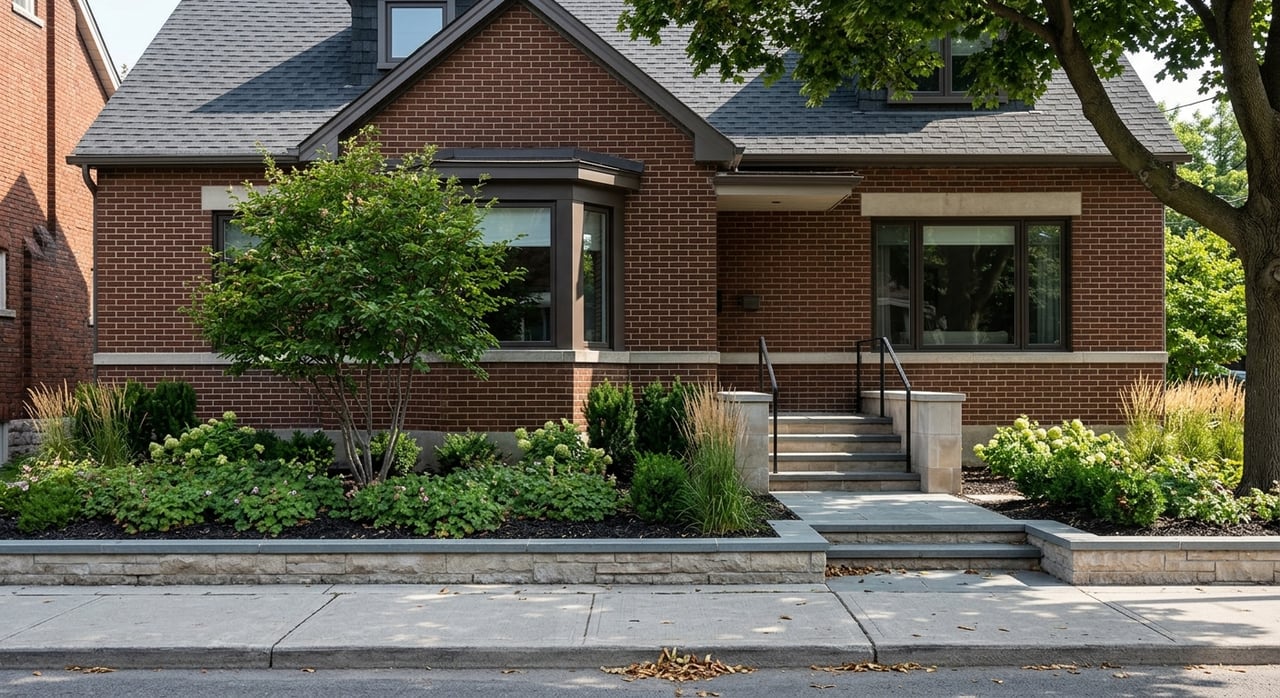
Trying to decide between Lake Minnetonka and Minneapolis can feel like choosing between two very different versions of Minnesota living. You may love the idea of being near the water, but your day-to-day routine, commute, and housing needs matter just as much as the view outside your window. The good news is that each option offers real advantages, and the right fit usually comes down to how you want to live. Let’s break it down.
Lake Minnetonka vs. Minneapolis at a Glance
At a high level, Lake Minnetonka and Minneapolis offer two distinct lifestyles.
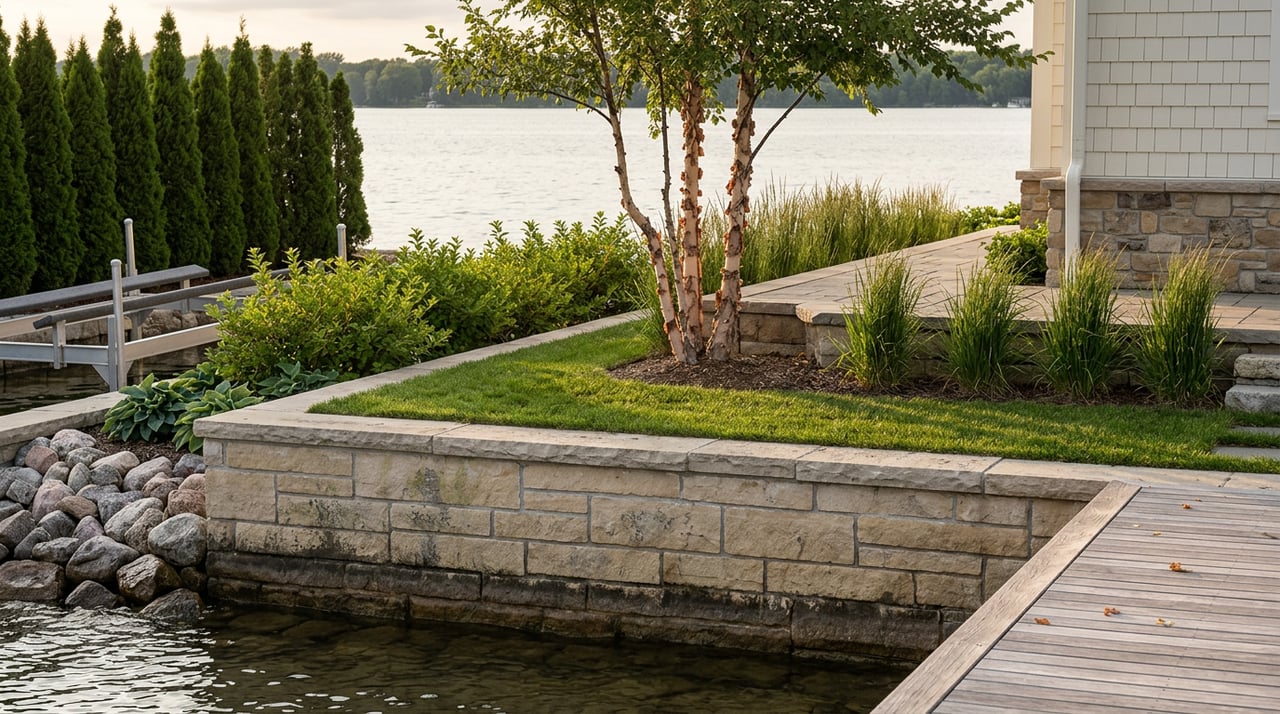
Lake Minnetonka is a lake-centered subregion made up of 14 surrounding cities, with 14,500 acres of water, 20 bridges, and a network of public accesses, marinas, and beaches. Minneapolis offers a more urban version of lake living, with the Chain of Lakes and a paved trail system that includes 51 miles around lakes and parkways.
In simple terms, Lake Minnetonka usually means lower-density, shoreline-oriented living. Minneapolis usually means denser, more mixed-use living with easier access to non-car transportation.
Housing Choices Feel Different
Minneapolis offers more housing variety
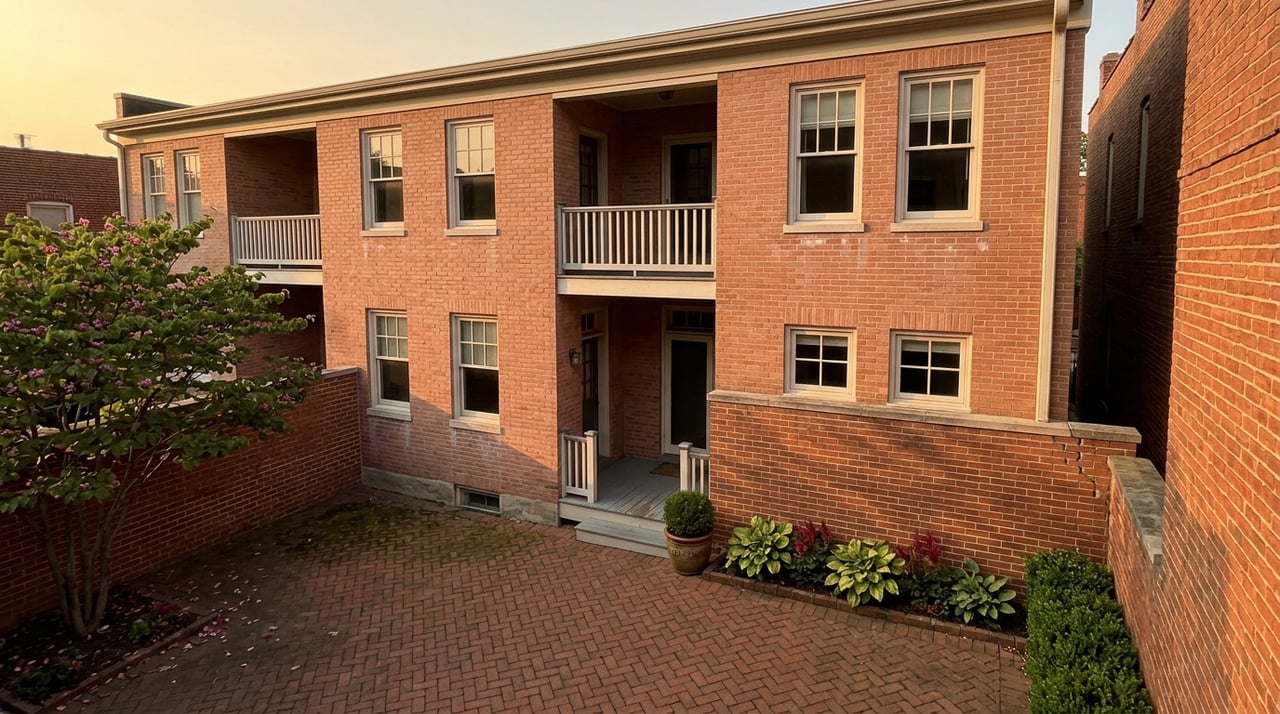
If you want a wide range of home types, Minneapolis gives you more options. The city’s 2020 parcel-based housing data shows that 43.7% of units were apartments in buildings with four or more units, 11.1% were in duplex or triplex buildings, 9.1% were single-family attached, and 36.1% were single-family detached.
That mix matters if you are comparing flexibility, price points, and maintenance needs. Minneapolis can offer condos, duplexes, attached homes, detached homes, and rental options in a way that lake-area communities often do not.
Current Census QuickFacts also show that Minneapolis has an owner-occupied housing rate of 47.7%, a median owner value of $362,200, and a median gross rent of $1,371. For many buyers and renters, that points to a market with more day-to-day housing variety.
Lake Minnetonka communities lean detached and owner-occupied
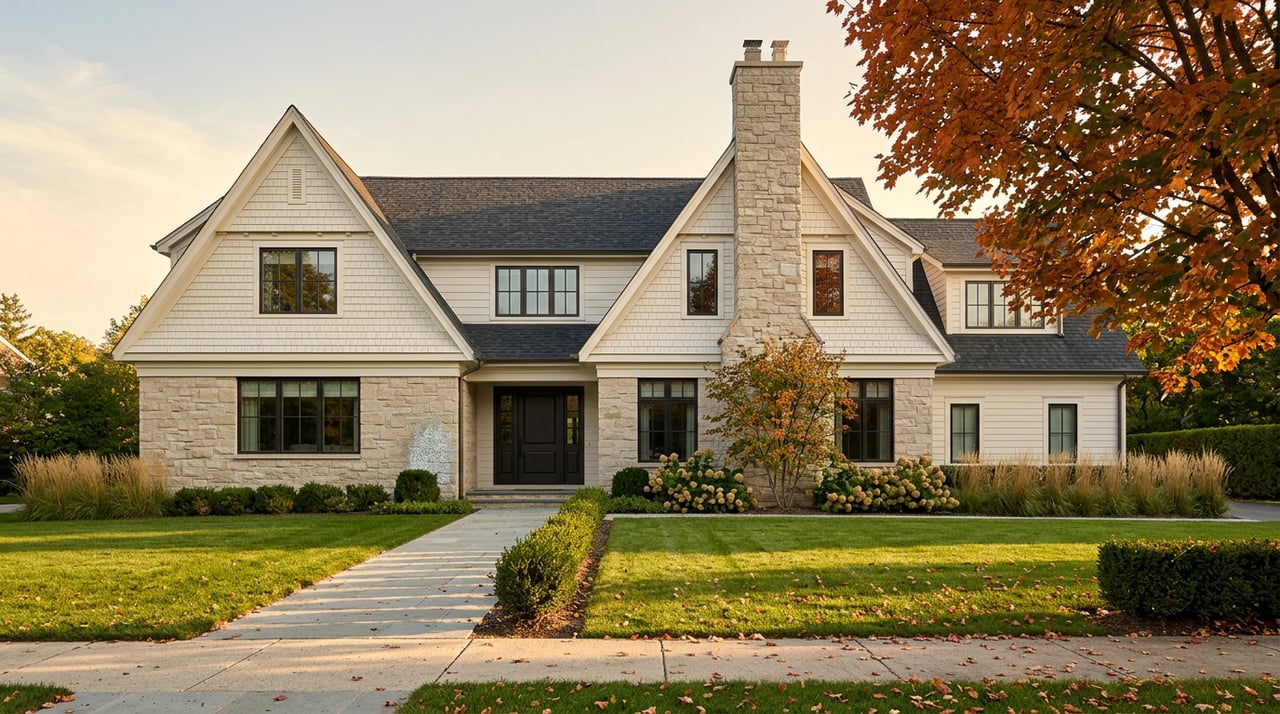
Around Lake Minnetonka, the housing pattern tends to be more focused on detached homes and ownership. Orono’s 2040 Community Management Plan says the predominant housing type is single-family detached dwellings in both its urban and rural areas.
The same plan notes that much of Orono’s housing is custom-built rather than tract housing, and that value is strongly tied to lakeshore location. That helps explain why lake-area living often feels more private, more residential, and more centered on the home site itself.
QuickFacts reinforce that pattern. Orono has an owner-occupied housing rate of 90.9% and a median owner value of $1,004,500, while Shorewood is 93.2% owner-occupied with a median owner value of $703,200.
Even where some multi-family housing has been added, especially along the Highway 12 corridor in Orono, detached-home living remains the dominant pattern. If you picture a home with more yard space, more separation, and stronger ties to shoreline or near-lake living, Lake Minnetonka may feel like the better fit.
Daily Life Works Differently
Minneapolis supports a more car-light routine
For many people, lifestyle is about more than the home itself. It is also about how easily you can get to work, run errands, spend time outdoors, and move through your day.
Minneapolis offers many public transportation options, including local and express buses, light rail trains, bus rapid transit, and commuter trains. The city also highlights biking and walking as part of everyday transportation, which pairs naturally with its broader street grid and trail network.
The Census Bureau reports a mean travel time to work of 22.0 minutes for Minneapolis workers age 16 and older. If you want a setting where walking, biking, and transit can play a bigger role in daily life, Minneapolis has the stronger framework.
Lake Minnetonka is more road-oriented
Lake Minnetonka communities often depend more on driving, park-and-ride access, and express bus service. That does not mean every lake-area commute is long, but it does mean your exact location matters a great deal.
Metro Transit’s west-metro system includes express service from the Mound Transit Center to downtown Minneapolis and routes from the Plymouth Road Transit Center serving Wayzata and Minneapolis. Even so, many routines around the lake remain more tied to highways and driving.
Commute times vary across the area. Current Census QuickFacts show mean travel times of 22.6 minutes in Shorewood, 24.9 minutes in Orono, and 31.0 minutes in Mound.
That spread is important. Living on or near Lake Minnetonka does not mean one single commute experience. A closer-in community may feel very different from a farther-west lake location.
Lifestyle Priorities Often Decide It
Choose Minneapolis for convenience and flexibility
If your top priorities are convenience, housing mix, and easier access to transportation alternatives, Minneapolis usually comes out ahead. You may have more options to rent, buy a condo or attached home, or choose a neighborhood with stronger walk, bike, or transit potential.
The city’s housing stock is more mixed, and the transportation network is broader. For buyers who want flexibility in how they live and move, that can be a major advantage.
Minneapolis also offers a strong connection to outdoor living through its lakes and parkways. If you like being near the water but do not need private shoreline or a more residential lake setting, this can be a compelling middle ground.
Choose Lake Minnetonka for shoreline living and privacy
If your priority is detached-home living, stronger owner-occupancy patterns, and a lifestyle shaped by water access, Lake Minnetonka usually stands out. The area’s marinas, beaches, public accesses, and lake-centered communities create a very different rhythm from city living.
For many buyers, the appeal is not just the lake itself. It is the added privacy, lot size, and residential feel that often come with homes in the Lake Minnetonka corridor.
That said, “Lake Minnetonka” is not one place. Because it includes multiple communities, your experience can vary based on the city, your distance from major routes, and whether you want direct shoreline, near-lake access, or a more tucked-away neighborhood setting.
The Best Choice May Be More Specific
The comparison becomes more interesting when your needs overlap.
If you want both easier access to Minneapolis and a lake-area lifestyle, some closer-in communities may narrow the gap. Orono, for example, describes itself as offering a small-town feel while remaining minutes from downtown Minneapolis, and its plan notes that different parts of the city provide distinctly different lifestyles, amenities, and services.
On the other side, some Minneapolis neighborhoods can offer a more residential feel while still keeping you connected to city amenities and the Chain of Lakes. That is why the best answer is often not just “Lake Minnetonka or Minneapolis,” but which part of Lake Minnetonka or which part of Minneapolis.
Questions to Ask Yourself First
Before you start touring homes, it helps to get clear on what matters most in your daily life.
Ask yourself:
- Do you want the broadest range of housing types?
- Do you expect to rely on walking, biking, or transit often?
- Is private outdoor space a top priority?
- Do you want a detached home more than a condo or attached home?
- How important is direct or nearby water access?
- How much driving are you comfortable with each week?
- Do you want a more urban routine or a more residential one?
Your answers will usually point you in the right direction faster than any broad market label.
Bottom Line for Minneapolis vs. Lake Minnetonka
Minneapolis usually wins on convenience, transportation options, and housing variety. Lake Minnetonka usually wins on shoreline lifestyle, privacy, and detached-home living.
Neither choice is universally better. The right home base depends on how you want your home, commute, and free time to work together.
If you are weighing both options, a neighborhood-level strategy can save you time and help you focus on the places that truly match your goals. For tailored guidance on the Lake Minnetonka corridor, adjacent western suburbs, and select Minneapolis neighborhoods, connect with Ian Petersen.
FAQs
Is Lake Minnetonka one city or many communities?
- Lake Minnetonka is a lake-centered subregion with 14 surrounding cities, along with public accesses, marinas, beaches, and other lake amenities.
Is Minneapolis better for condos and rentals than Lake Minnetonka?
- Yes. Based on the housing data in the research report, Minneapolis has a much more mixed housing stock, including more apartments, duplexes, attached homes, and rental options.
Are Lake Minnetonka homes mostly single-family houses?
- In communities such as Orono, the predominant housing type is single-family detached dwellings, and ownership rates are much higher than in Minneapolis.
Is Minneapolis easier for transit and biking than Lake Minnetonka?
- Yes. Minneapolis has a broader public transit network and emphasizes biking and walking as part of everyday transportation.
Do commute times around Lake Minnetonka vary by community?
- Yes. The research report shows different mean travel times for Shorewood, Orono, and Mound, which means your exact location around the lake can make a big difference.
Should you compare Lake Minnetonka and Minneapolis by neighborhood?
- Yes. If you want a mix of city convenience and lake-area lifestyle, comparing specific communities and neighborhoods is usually more helpful than making a broad city-versus-lake decision.