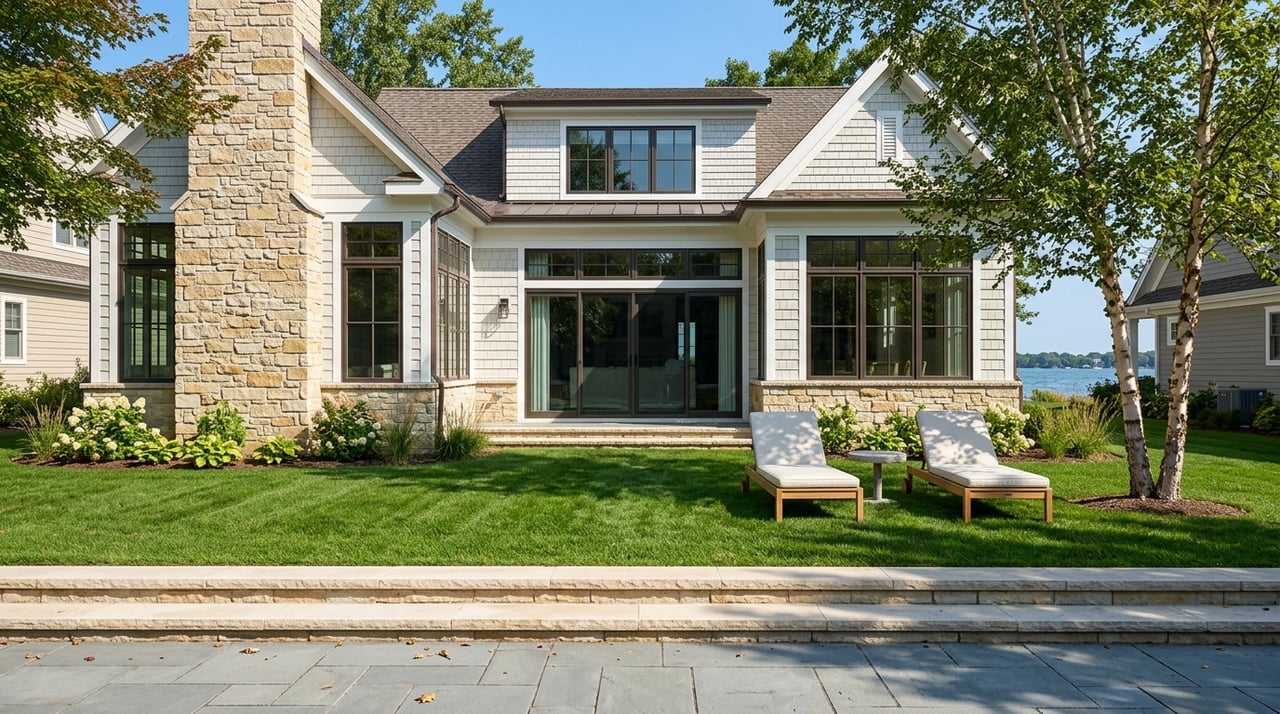
If you are shopping around Wayzata and the 55391 area, one question can shape your budget, lifestyle, and long-term satisfaction more than almost anything else: do you want true lakefront, deeded or shared lake access, or an off-lake home near Lake Minnetonka? It is easy to group them together, but they offer very different rights, costs, and daily experiences. When you understand how each option works, you can make a more confident decision and avoid paying for features you may not actually use. Let’s dive in.
Why the distinction matters
Around Lake Minnetonka, the difference is not just about having a water view. The real dividing line is whether a property includes actual shorefront rights, a deeded or association-based access right, or simply close proximity to the lake.
Wayzata describes itself as a lakeside community at the center of Lake Minnetonka, and the Lake Minnetonka Conservation District coordinates lake governance across 14 cities and two counties. That matters because lake use is shaped by more than a home’s location. It also depends on the rights that come with the property and the rules that apply to those rights.
True lakefront homes
What true lakefront means
A true lakefront home includes shoreland ownership. According to the Minnesota DNR, riparian rights come from owning shoreland and can include boating, swimming, and wharfing out to navigable depth.
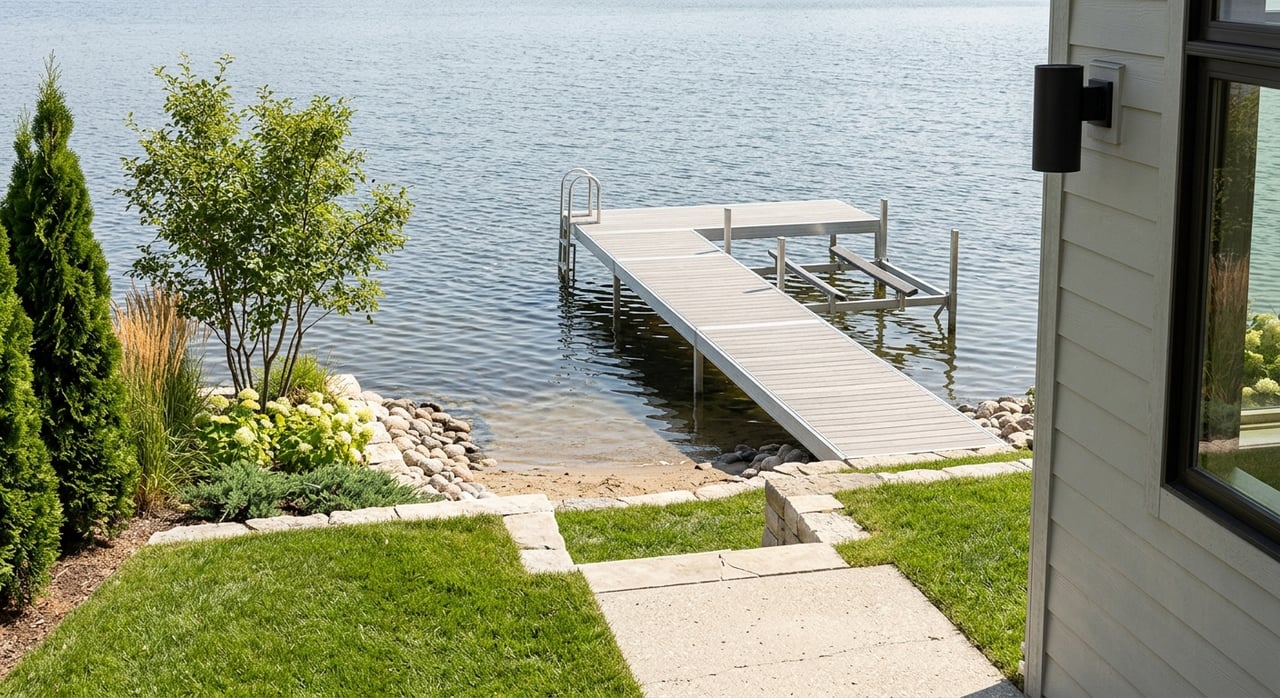
In simple terms, this is the closest thing to a direct boat-to-water lifestyle. You may be able to step outside, head to your dock, and get on the lake without relying on a shared system or a separate launch plan.
What to expect with lakefront ownership
Lakefront ownership usually brings the most convenience, but it also comes with the most complexity. On Lake Minnetonka, those rights still operate within the LMCD’s dock-use and licensing framework, which includes measurements, setbacks, and licensed boat-storage units.
That means not every shoreline automatically gives you unlimited dock or boat-storage flexibility. The practical use of the shoreline depends on what is licensed, how the dock-use area is measured, and whether past or future shoreline work meets current requirements.
Price context for lakefront
In the Wayzata market, true lakefront generally sits at the top of the pricing ladder. Based on current public listings cited in the research, true lakefront in Wayzata spans roughly $2.35 million to $50 million.
That range is wide because Lake Minnetonka is not one single market. Public data also shows different median figures depending on the source and the area measured, which is why ranges are more useful than a single headline number.
Lake access homes
What lake access can include
A lake access home does not directly touch the water, but it may come with a deeded easement, a shared beach, or an association dock slip. This category can be very appealing if you want some lake use without paying full shoreline prices.
Still, not all access is created equal. One property may offer a highly usable dock arrangement, while another may provide more limited or more conditional access.
Why details matter more here
Current Lake Minnetonka examples show that access rights can come with fees, owner-occupant rules, waiting lists, and assigned or seasonal slips. In some cases, access means a usable slip right away. In others, it may mean you join a system with restrictions that affect how often and how easily you can keep a boat on the water.
This is why the access language in the deed, association documents, and listing details matters so much. The value of an access property often depends less on the idea of access and more on the exact terms behind it.
Price context for lake access
Based on active listing examples in the research, deeded or association access homes can range from about $340,000 for a deeded-access bungalow to about $1.595 million for a deeded-access home with a private beach and dock. Some access homes also reach roughly $2.85 million to $3.05 million.
That overlap is important. A lake access property can sometimes price closer to true lakefront than buyers expect, especially when the home itself, the lot, or the quality of access is strong.
Off-lake homes near Lake Minnetonka
What off-lake means
Off-lake homes near the lake usually offer proximity rather than water rights. You may still enjoy the Wayzata area, nearby lake amenities, and the broader Lake Minnetonka lifestyle, but the property itself typically does not include shoreland ownership or deeded lake access.
For many buyers, that is not a drawback. It can be a smart way to focus more on the house, lot, layout, and neighborhood setting while still staying close to the lake.
Why off-lake appeals to many buyers
Off-lake homes are often judged more by the home itself than by dock rights or shoreline regulation. If your priorities include interior space, privacy, lower maintenance, or a lower entry price, this category can open more options.
Current public listings in 55391 cited in the research include homes around $675,000 and $849,000, which shows a lower entry point than many lakefront or access-driven properties. There is still overlap, though, because luxury inland homes can also command premium prices.
Comparing lifestyle tradeoffs
Daily use and convenience
If you picture frequent boating, true lakefront offers the most direct setup. You have the clearest path from home to water, but you also take on more shoreline responsibility and more regulatory detail.
Lake access can offer a good middle ground. You may gain meaningful lake use without paying full waterfront pricing, but your day-to-day experience depends on whether your access is assigned, shared, seasonal, or subject to waitlists and usage limits.
Off-lake living usually means handling boating separately through marinas, public launches, or storage yards. Hennepin County lists multiple public launches on Lake Minnetonka, including the Spring Park launch.
Boat storage and slip realities
Boat storage is one of the biggest practical differences between these categories. With true lakefront, buyers should still confirm how many boat-storage units are licensed and whether the dock-use area matches the survey.
With access homes, the key issue is whether the boating right is secure and usable. Wayzata’s municipal boat-slip program is a good example of how limited lake access can be in practice: applications are limited to one per residence and to city residents, the city has 100 municipal slips, it averages about five openings per year, only one watercraft is allowed per slip, and boats must meet size and seasonal rules.
That does not mean municipal slips are your only option. It does show why buyers should avoid assumptions and verify the exact source of boating access tied to a property.
Price ranges in context
Lake Minnetonka is several submarkets
One of the most important takeaways for buyers in 55391 is that Lake Minnetonka should be viewed as several submarkets, not one. Public portals show different medians depending on the area and methodology.
The research notes examples such as a median listing price of $1.97 million for 55391, $1.77 million for Wayzata, and a median sale price of about $1.36 million for Wayzata over the three months ending May 2026. It also notes Minnetonka proper at much lower median figures and Minnetonka Beach at a much higher median sale price of $4.5 million over the last three months.
What that means for your search
For buyers, this means broad labels can be misleading. A lake-access home in one part of the market may compete with off-lake luxury homes in another, while true lakefront in a prime shoreline setting may sit in a completely different tier.
That is why the right comparison is not just waterfront versus non-waterfront. It is how the property’s rights, location, and condition line up with your actual goals.
Due diligence before you buy
Confirm the exact water rights
Start by asking the clearest question possible: does the property have true riparian frontage, a deeded access right, a shared right through an association, or only proximity to the lake? The Minnesota DNR states that riparian rights arise from shoreland ownership.
This is not something to guess at from photos or marketing language. If access is part of the property’s value, it should be confirmed through title review and supporting documents.
Verify boundaries and legal documents
Hennepin County notes that its surveyed-property maps are for convenience only and are not legal boundaries. That makes a survey especially important when shoreline or access rights are central to the purchase.
For a lakefront home, buyers should confirm whether the dock-use area matches the survey and whether shoreline work has permits or restrictions. For an access home, buyers should verify what actually transfers at closing.
Ask specific questions about access and storage
Use a practical checklist when comparing options:
- Is the property true lakefront, deeded access, association access, or simply near the lake?
- If access is included, is the slip assigned, shared, seasonal, or wait-listed?
- Are there annual fees tied to the access right?
- Are there owner-occupant rules?
- Are there boat-size or seasonal limits?
- For lakefront, how many boat-storage units are licensed?
- Does the dock-use area align with the survey and LMCD requirements?
- Has any shoreline work already been completed, and is it documented appropriately?
These details can materially change both the property’s value and your day-to-day experience.
Which option fits you best?
Choose true lakefront if
True lakefront may be the best fit if you want the most direct connection to Lake Minnetonka and expect to use the water often. It can make sense if boating convenience, shoreline presence, and immediate access are central to your lifestyle.
You should also be comfortable with the added cost and the extra diligence that comes with shoreline ownership, licensing, and permitting considerations.
Choose lake access if
Lake access may fit if you want a meaningful connection to the lake without stepping fully into lakefront pricing. This category can work well when you are open to shared systems and willing to review the fine print carefully.
The best lake access opportunities are often the ones where the rights are clear, usable, and well-matched to how you actually plan to enjoy the lake.
Choose off-lake if
An off-lake home may be the right move if your top priorities are the house itself, lot value, flexibility, or a lower entry point. It can also work well if you like being near Lake Minnetonka but do not need water rights attached to your property.
For many buyers, this path offers the easiest balance of location, lifestyle, and budget.
Choosing between lakefront, lake access, and off-lake homes is really about matching your purchase to how you want to live. In the Wayzata and 55391 market, small wording differences can mean major differences in rights, cost, and convenience. If you want help sorting through the details and comparing options with a local perspective, Ian Petersen can guide you through the process with clear advice and market insight.
FAQs
What is the difference between lakefront and lake access homes around Wayzata?
- A true lakefront home includes shoreland ownership and riparian rights, while a lake access home may include a deeded easement, shared beach, or association slip without directly touching the water.
What should you verify before buying a Lake Minnetonka access property?
- You should confirm what transfers at closing, whether a slip is assigned or wait-listed, any annual fees, owner-occupant rules, and boat-size or seasonal limits.
Why do off-lake homes in 55391 still attract buyers?
- Off-lake homes can offer a lower entry point, more focus on the house and lot itself, and close proximity to Lake Minnetonka without the cost or complexity of water rights.
What should you ask before buying a true lakefront home on Lake Minnetonka?
- You should ask how many boat-storage units are licensed, whether the dock-use area matches the survey, and whether any shoreline work has permits or restrictions.
Why is a survey important for Lake Minnetonka homes with water access?
- Hennepin County says its surveyed-property maps are for convenience only and are not legal boundaries, so a survey can help confirm shoreline or access-related boundaries when those rights affect value.