Why do two Lake Minnetonka homes only a bay apart sell for very different prices? If you are eyeing the Wayzata shoreline, you want clear answers, not guesswork. This guide breaks down the exact factors that move lakefront values so you can price with confidence or buy with your eyes open. You will learn how frontage, depth, exposure, permits, and market timing come together to set the number. Let’s dive in.
Wayzata lakefront market basics
Wayzata is one of Lake Minnetonka’s most sought-after shorelines. Demand comes from full-time residents and second-home buyers who want boating, dining, and an easy commute to Minneapolis. Inventory is tight, and that scarcity supports premium pricing compared to non-waterfront homes nearby.
Buyers weigh the lake lifestyle alongside practical needs like commute, proximity to downtown Wayzata amenities, and local services. School district reputation is one of several factors buyers consider, but waterfront utility and lot characteristics usually drive the biggest pricing differences.
Frontage quality is king
Frontage is often the single strongest driver of price on Lake Minnetonka. Two lots with the same square footage can trade very differently based on the type and quality of shoreline.
Private vs shared access
- Deeded, exclusive frontage usually commands the highest premium because you control the shoreline.
- Shared or association frontage can offer a lower price point but limits exclusivity and dock options.
- Easement-only access typically trades at a discount because it restricts how you use the water’s edge.
Width, orientation, and exposure
- Wider, continuous shoreline increases value because it improves views, privacy, and dock placement options.
- South and west exposures are prized for light and sunset views, which many buyers will pay up for.
- Main-lake exposure usually carries a premium for panoramic views and easy boating, while sheltered bays can appeal to buyers who value privacy and calm water.
Shoreline character and docks
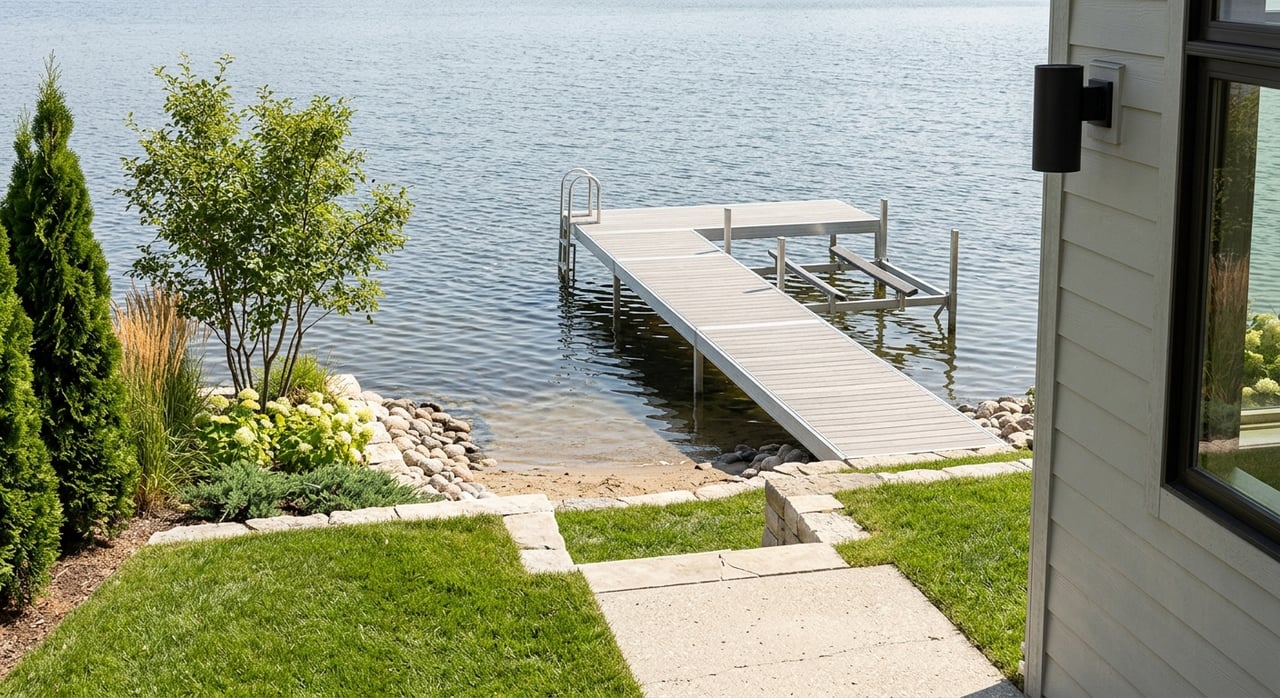
- Natural shorelines can be more attractive and ecologically friendly, while hardened shorelines such as riprap or seawalls can assist with erosion control. Buyer preferences vary.
- The ability to moor and protect a boat is a major value driver. Docks, boat lifts, and boathouses must comply with LMCD rules on docks and moorings. Existing permits are a plus, while unpermitted structures can reduce value or delay a sale.
Depth, access, and navigability
Deep water at the dock
If you plan to keep a larger boat, deep water at the dock is pivotal. Depth affects year-round usability and the type of boat you can safely moor. Depth varies by bay and shoreline segment, so verify it during due diligence and review Minnesota DNR lake depth charts.
Main lake vs bay vs channel
- Main-lake frontage tends to command higher prices for open views and immediate access.
- Bay frontage often trades slightly lower but appeals to swimmers, paddlers, and buyers who want less wake and more privacy.
- Channel lots can offer quick access to the main lake, but wake and privacy considerations can affect value.
Views, topography, and usable yard
Unobstructed, year-round views add tangible value. Lot elevation can help with views and reduce flood concerns, but a very steep slope may increase building and landscaping costs. Mature trees add beauty and privacy, though untrimmed canopies can limit sightlines. Buyers often prize wide lawns or flat usable space between the home and shoreline more than raw acreage further from the water.
Rules, permits, and utilities
Regulatory context and infrastructure shape what you can do with a property and how easily you can enjoy it.
Dock and boathouse approvals
The Lake Minnetonka Conservation District governs docks, moorings, and boathouses across the lake. Existing approvals offer clarity and reduce risk. If you are unsure, verify details directly with the Lake Minnetonka Conservation District.
Shoreland zoning and setbacks
Minnesota’s shoreland rules and local ordinances control setbacks, lot coverage, vegetation management, and grading near the water. Before planning additions or a rebuild, confirm requirements with the City of Wayzata Planning and Building Department.
Sewer vs septic and disclosures
Connection to municipal sewer in Wayzata can improve usability and reduce long-term maintenance, which strengthens appeal. If a property uses a private system, buyers will scrutinize its age, permits, and service records. Clear documentation helps preserve value.
Easements, covenants, and shared facilities
Deeded easements, association docks, or conservation restrictions can limit exclusivity or change how you use the shoreline. These details affect pricing strategy and should be reviewed with title work early in the process.
Taxes, assessments, and insurance
Waterfront parcels often carry higher assessed values and taxes. Confirm assessments and parcel history through Hennepin County property records. Factor in potential insurance costs related to shoreline exposure and consider any planned local assessments that could change carrying costs.
Invasive species and lake health
The presence of invasive species and overall lake health shape perceptions and maintenance considerations. For current guidance and updates, check the Minnesota DNR invasive species resources.
House features that move the needle
The land and water set the ceiling for value, but the home can lift marketability and final sale price.
Turnkey updates and outdoor living
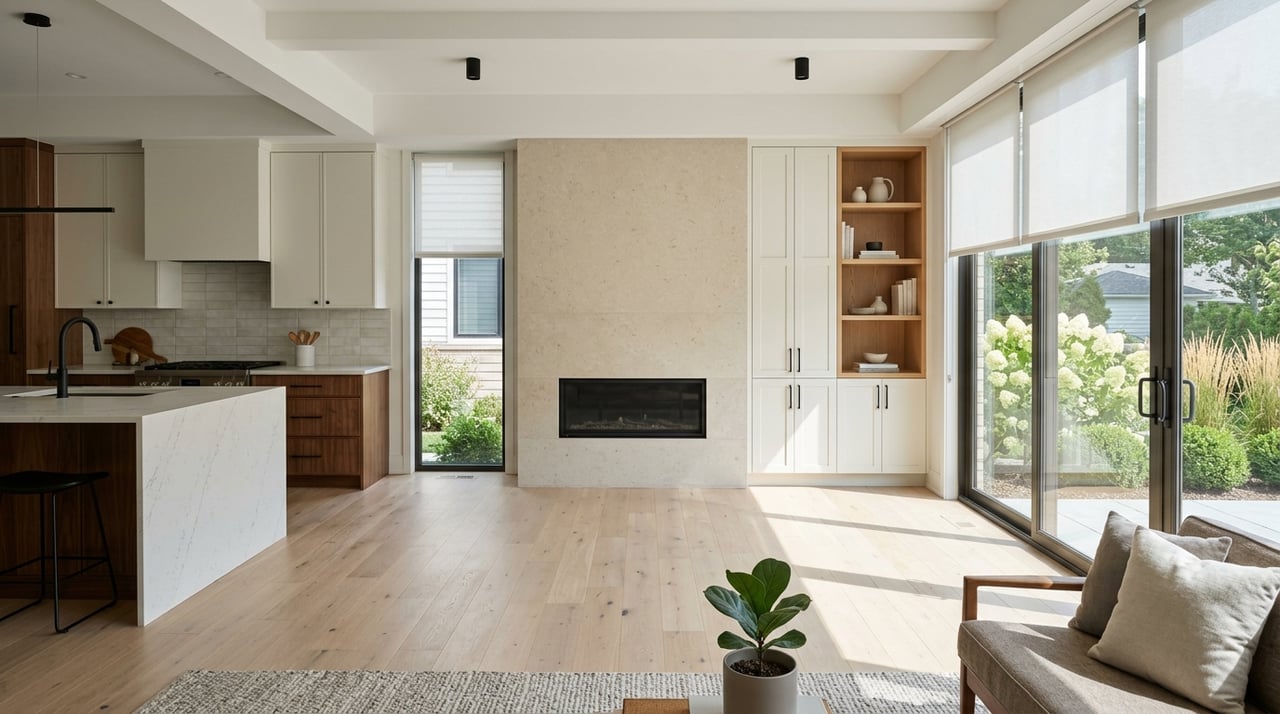
Modern kitchens, refreshed baths, and quality finishes can drive stronger offers, especially when paired with outdoor living spaces like terraces, well-designed pathways, and upgraded docks or boathouses.
Function and flow
Layouts that maximize lake views and offer an easy connection to outdoor spaces resonate with buyers. Primary bedrooms and main living areas facing the water can elevate perceived value.
Systems and resilience
Updated roofs, foundations, electrical, HVAC, and sewer or septic improvements reduce buyer hesitation and improve insurability. Thoughtful shoreline stabilization and durable exterior materials near the water are seen as long-term benefits.
Accessibility considerations
Main-level living, minimal stairs to the shoreline, and guest accommodations can broaden your buyer pool and strengthen demand.
Supply, demand, and timing
Listings on the Wayzata shoreline are limited. When a well-positioned property comes to market, competition can be strong. Larger economic forces such as interest rates and buyer confidence also play a role, as does the influx of second-home buyers who value weekend access and remote-work flexibility.
Seasonality matters. Spring and early summer typically see more listings and showings. Late summer and fall remain active, while winter buyers are often focused on year-round living and specific lake uses. Pricing, staging, and launch timing should reflect these rhythms.
Appraisals depend heavily on true lakefront comparables. Main-lake vs bay adjustments, frontage width, and dock utility can be hard to quantify, so expect tighter scrutiny of comps and documentation during financing.
Your due diligence checklist
Use this list whether you are buying or preparing to sell:
- Confirm the exact waterfront type in the deed: private, shared, or easement.
- Verify dock and boathouse permits with the Lake Minnetonka Conservation District and note any parcel-specific restrictions.
- Pull parcel maps, assessed values, and tax history from Hennepin County property records.
- Review Wayzata zoning, shoreland setbacks, and permit history with the City of Wayzata.
- Order a current survey that shows the waterline, frontage width, and any encroachments.
- Confirm sewer vs septic status and any compliance requirements.
- Obtain a shoreline condition assessment for erosion, bulkheads, and riprap.
- Measure depth at the dock and verify navigability for your intended boat size.
- Ask about any pending or recent special assessments related to the shoreline or utilities.
- Schedule a comprehensive inspection that includes mechanicals and a shoreline walk.
Pricing guidance for sellers
- Lead with frontage and water utility. Main-lake exposure with deep water at the dock typically justifies a premium. A scenic, protected bay can also command strong pricing if privacy and calm water are top buyer priorities.
- Document your approvals and improvements. Provide LMCD permits, surveys, shoreline work invoices, and major system updates to support value.
- Invest where buyers see and feel it. Light updates, landscaping, and outdoor living enhancements that connect the home to the lake often deliver a clear return.
- Price with true lakefront comps. Compare against similar exposure, frontage width, depth, and bay location within the Wayzata corridor.
Smart questions for buyers
- Is the frontage private, shared, or an easement, and how does that affect my dock rights?
- How deep is the water at the dock in late summer, and is it navigable for my boat year-round?
- Are the dock and boathouse fully permitted with the LMCD, and are approvals transferable?
- What shoreland rules or zoning overlays in Wayzata could affect a remodel or rebuild?
- Are there any planned assessments or shoreline projects that could change my costs in the next few years?
Buying or selling on Lake Minnetonka is equal parts lifestyle and due diligence. When you understand how frontage, depth, exposure, and permits work together, you can act with confidence and negotiate from strength. If you want a local, data-driven read on your specific shoreline and bay, connect with Ian Petersen for guidance tailored to your property and goals.
FAQs
How does frontage type impact Lake Minnetonka pricing in Wayzata?
- Deeded private frontage usually commands the highest premium, while shared or easement access tends to reduce exclusivity and price.
What water depth is best at the dock for larger boats on Lake Minnetonka?
- Deeper water at the dock increases usability and value, especially for larger boats; confirm actual depth seasonally and consult DNR resources.
How do Wayzata shoreland rules affect a remodel or rebuild on the lake?
- Local setbacks, lot coverage, and vegetation rules shape what you can build; verify requirements with the City of Wayzata before planning work.
Do LMCD permits matter if a dock already exists on the property?
- Yes. Proper LMCD approvals protect your use and replacement rights; unpermitted or nonconforming structures can delay or reduce value.
How should I compare main-lake vs bay comps around Wayzata?
- Adjust for exposure, depth, and frontage width first. Main-lake often trades at a premium for views and access, while bays can command strong prices for privacy and calm water.