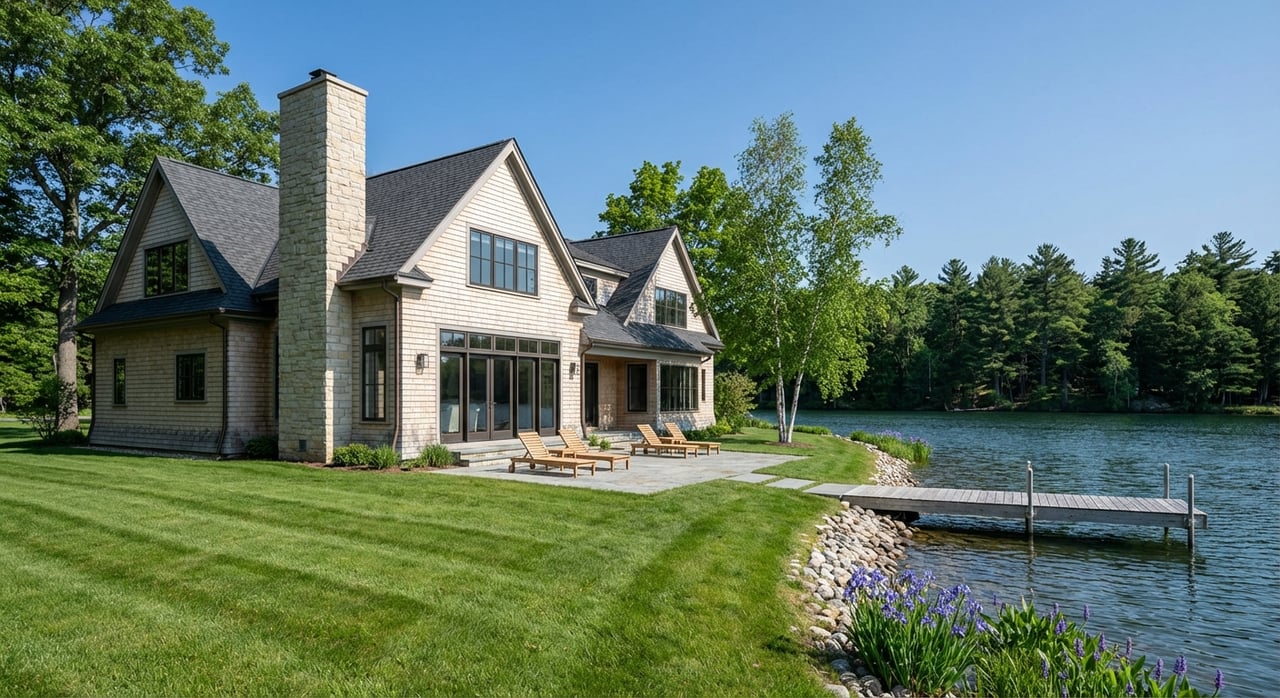
Thinking about a weekend place on Lake Minnetonka but unsure where to start? You’re not alone. The lake’s beauty is matched by unique rules, permits, and seasonal rhythms that can make or break your plans. In this guide, you’ll learn how the lake is governed, what to verify at each property, how maintenance and insurance work, and what to know about rentals, taxes, and financing. Let’s dive in.
Why Lake Minnetonka, why now
Lake Minnetonka offers a rare mix of metro convenience and classic lake life. In ZIP 55391, recent market snapshots show a wide price spread. Realtor.com reported a median listing price near $1.7 million in late 2025, while Redfin’s early 2026 median sale indicators were closer to about $1.0 to $1.1 million. Lakeshore properties tend to drive ZIP-level medians higher, while interior homes trade at lower price points. Spring and summer typically bring more listings and more competition, so timing can influence selection and leverage.
How the lake is governed
LMCD rules for docks and boats
The Lake Minnetonka Conservation District (LMCD) sets and enforces many of the on‑water rules that affect lakeshore owners. Key topics include authorized dock use areas, dock length and setbacks, and watercraft density. Before you assume a property can host certain boats or slip counts, review the LMCD guidance for lake-shore owners.
State DNR standards
The Minnesota Department of Natural Resources (DNR) offers the statewide framework for docks and access in public waters. Some small platforms are covered by general permits, while larger or more complex projects can require permits. Get familiar with DNR docks and public waters permits before planning changes.
Cities and water-level management
Cities like Wayzata manage shoreline parks, municipal docks, and local permits. Recent city actions on the Panoway Lakewalk and Depot docks underscore that LMCD approval can still be needed for slip reclassification or program changes. You can see local context at the Wayzata Depot docks page. Water levels are managed via Gray’s Bay Dam by the Minnehaha Creek Watershed District; seasonal fluctuations can affect clearance and dock usability. Review MCWD water-level updates to understand typical ranges.
Due diligence checklist before you offer
Use this list at every property. Ask the seller for records and confirm with agencies.
Confirm legal waterfront access and riparian rights
- Determine if the parcel is truly riparian at the ordinary high-water mark or relies on an easement or HOA dock. Riparian rights and easements can determine dock allowances. Start with the LMCD lake-shore owner resources.
Dock and mooring allowances and history
- Verify the authorized Dock Use Area, dock length limits, setback rules, and watercraft density rules. Ask for any LMCD variances, municipal permits, or recorded conditions. Nonconforming structures may have special approvals.
Water depth and navigation for your boat
- Ask for measured depths relative to Ordinary High Water and consider seasonal low-water periods. A dock that works in a wet year may be too shallow in dry seasons. LMCD and MCWD resources help you evaluate.
Shoreline work history
- Dredging, riprap, seawalls, or other shoreline changes often require permits. Confirm what was permitted and when, along with any maintenance obligations. Review the DNR shoreline alteration guidance.
Septic vs. sewer and utilities
- Verify whether the home is on city sewer or a private septic system. For septic, request inspection and service history and confirm with city or county records.
Flood zone and insurance exposure
- Pull the parcel’s flood map and elevation data from the FEMA Flood Map Service Center. Ask your insurer early whether flood coverage is required.
AIS and water-quality considerations
- Zebra mussels and other aquatic invasive species are a known regional risk that drive cleaning routines and equipment choices. The need for boat decontamination between lakes is well-documented in regional research. For broader context, see peer‑reviewed work on AIS spread and prevention, such as this population-genomics research on zebra mussels.
Title, covenants, and recorded variances
- Obtain the title report, recorded easements, HOA rules, and any LMCD variances or municipal interpretations that affect docks or accessory structures.
Winterization and service logistics
- Confirm the availability and timing of dock removal and installation, storage, and emergency response vendors. Lead times can be long in spring. Boat season typically runs from Memorial Day through early October, with variable ice-out that often occurs around mid‑April.
Maintenance, seasonality, and planning
Budget for the realities of a four-season lake. Common expenses include seasonal dock installation and removal, shoreline stabilization or repair, septic pumping if applicable, landscaping and erosion control, and weather-related repairs. If you plan to use a boat lift or multiple moorings, plan for inspection and AIS cleaning routines. Permits may be needed for shoreline work, so align projects with LMCD, city, and DNR rules.
A seasonal operating plan is essential if you live out of the area. Line up winterization, spring commissioning, and midseason check-ins. Reserve contractors well ahead of time for the first and last weeks of the boating season. Availability can tighten quickly as water warms.
Insurance and risk management
Standard homeowners policies typically exclude flood. Many lakeshore buyers add flood coverage through the National Flood Insurance Program or a private carrier. Carriers will ask about flood zone, elevation, dock and boat liability, and whether you plan to rent the home. If you expect seasonal rentals, request written confirmation of coverage and any special endorsements. Start by reviewing your parcel’s zone at the FEMA Flood Map Service Center and then talk to your insurer.
Short‑term rentals, slips, and taxes
STR and boat-rental rules
Short‑term rental and boat-rental activity touches multiple jurisdictions. LMCD regulates many on‑water uses and can limit the conversion of public transient slips to private rentals. A 2025 case in Wayzata shows how active that oversight can be, with LMCD denying a city request to reclassify transient slips over public-access concerns. For a local example, see reporting on the LMCD decision. If you plan to rent a boat, offer dock-only rentals, or rely on municipal slips, consult both LMCD and the city first.
Taxes and licensing for STRs
Hosts are responsible for proper tax collection and remittance, even if platforms collect some taxes. Review Minnesota’s rules on sales and use tax, lodging taxes, and registration at the Minnesota Department of Revenue. City-level business or rental licenses may also apply, so confirm with Wayzata staff before listing.
Market demand notes
Rental demand often peaks from Memorial Day through Labor Day, with strong rates for well-appointed, well-located homes. Occupancy and net returns depend on nightly rates, cleaning and management costs, and how often you plan to use the property yourself.
Financing and property tax classification
Homestead vs. second home taxes
In Hennepin County, a second home generally does not qualify for homestead classification, which affects your property tax rate. Review eligibility, deadlines, and process with the county. Start with the county’s homestead and related programs.
How lenders view second homes
Lenders treat second homes and investment properties differently than primary residences. Expect different down payment requirements, underwriting standards, and rules on using rental income to qualify. Ask your mortgage professional about second‑home programs, investment‑property options, and whether portfolio lenders make sense for your scenario.
Smart next steps
- Ask for the deed, title report, easements, HOA rules, and any LMCD or municipal permits tied to the dock or shoreline.
- Request the parcel’s authorized Dock Use Area and any recorded variances from LMCD. Confirm watercraft density rules and setback limits.
- Pull the parcel’s flood map at the FEMA Flood Map Service Center and get preliminary insurance quotes.
- Confirm sewer vs. septic with city or county records and request recent inspection or pumping documentation.
- If you are considering rentals, review Minnesota Department of Revenue requirements and discuss filing and depreciation with a CPA.
- Check MCWD updates on water levels to understand seasonal depth changes that could affect your dock and boat choice.
When you are ready to identify the right opportunities and navigate the details with confidence, connect with Ian Petersen for local guidance tailored to your goals.
FAQs
What should I budget for a lakeshore home in 55391?
- ZIP‑level medians vary widely due to shoreline estates versus interior homes, with recent listing medians near $1.7 million and sale indicators closer to about $1.0 to $1.1 million, so expect dispersion based on frontage and usability.
Who decides how long my dock can be on Lake Minnetonka?
- LMCD sets dock length, setbacks, and watercraft density for most parcels, and the city may have additional requirements, so verify the parcel’s Dock Use Area and any variances with LMCD.
How do water levels affect my boat choice and docking?
- Seasonal changes managed via Gray’s Bay Dam can reduce depth at your slip, so review MCWD water-level updates and confirm measured depths relative to Ordinary High Water before you commit to a boat size.
Can I rent out my dock or run a boat rental in Wayzata?
- On‑water rentals and slip reclassifications are regulated, and LMCD has denied requests that reduce public access, so confirm plans with LMCD and the city and review coverage like this Wayzata case summary.
What insurance do I need for a second home on the lake?
- Homeowners policies often exclude flood, so many buyers add flood coverage and endorsements for docks and seasonal rental use; check the parcel’s zone at the FEMA Flood Map Service Center and get written insurer confirmations.
What documents should I request from the seller before I write an offer?
- Ask for the deed, title report, easements, HOA rules, LMCD or municipal permits and variances, shoreline and dredging permits, and recent sewer or septic records.