Craving a yard, a little more elbow room, and easier access to the lakes — but not sure how to make the jump from your Minneapolis condo? You’re not alone. Many city condo owners look west when they’re ready for single-family living, yet timing, budgets, and lifestyle tradeoffs can feel complex. In this guide, you’ll see how the market stacks up, how to translate your condo budget into a west-metro purchase, and the smartest ways to coordinate your sale and next buy. Let’s dive in.
Market snapshot: condo vs west metro
City condo and townhome segments are experiencing a balanced, seasonally slower phase in winter, with activity patterns that differ from single-family homes. The latest overview from Minnesota Realtors highlights this seasonal slowdown and segment differences that affect strategy and timing for buyers and sellers. You can review the metro context in the Minnesota Realtors January market report.
As a reference point, recent data shows Minneapolis’s median sale price near $309,000. Around Lake Minnetonka, shoreline and lake-access properties sit in a higher pricing tier than inland homes. Hennepin County reporting also shows wide value variation across the west metro, especially between lakefront and non-lake properties. If you have a target town in mind, check area medians and assessments to calibrate expectations using Hennepin County assessment reports.
Bottom line: expect a meaningful step up in price when moving from a city condo to a west-metro single-family home, especially if you want lake access or waterfront. Your exact step depends on the town, neighborhood, and proximity to the lake.
Translate your condo budget
Start with net proceeds
Do not assume sale price equals cash in hand. Subtract your mortgage payoff, taxes and recording fees, title costs, and selling expenses to estimate true net proceeds. Your agent or title company can prepare a net-to-seller worksheet so you know exactly what you can deploy for a down payment and closing costs. If you qualify, the home-sale exclusion may reduce taxable gain; review the ownership and use tests in IRS Publication 523.
Compare monthly costs line by line
Your monthly housing cost will shift when you move from a condo to a single-family home. Compare these items side by side:
- Mortgage principal and interest
- Property taxes for the new address
- Homeowners insurance (see below)
- HOA dues, if applicable
- Utilities
- A maintenance reserve for yard, exterior, and systems
Condo HOA dues cover most exterior maintenance and common elements. With a single-family home, you budget for these items directly. A common planning rule is to save about 1 percent of the home’s value per year for maintenance, and some advisors suggest 1 to 2 percent for older homes or properties with more exposure. For context on ranges and what is typically included, see this overview on annual home maintenance costs.
Understand insurance differences
Condo owners typically carry an HO-6 policy that covers interior improvements, contents, and liability. Single-family owners need an HO-3 or similar homeowners policy that covers the entire dwelling and any detached structures. Premiums, deductibles, and coverage scope differ, so get quotes early. For a clear primer on coverage types, review this guide to homeowners insurance basics.
Model property taxes by address
Even if the tax rate is similar, a higher assessed value usually means a higher dollar tax bill. Use the Hennepin County assessor’s tools and your target city’s certified levy to model realistic taxes at candidate addresses. Start with the county’s assessment report and confirm specifics with your agent.
A quick, practical example
If your Minneapolis condo sells near the city’s median, your net proceeds may be enough to fund a strong down payment on an inland west-metro starter single-family home in many suburbs. Lakefront or Wayzata-core properties typically require a larger equity position and higher monthly budget. Use your actual net proceeds, current rate quotes, and target address tax estimates to test for monthly payment parity before you shop.
Time your sale and purchase
Option 1: Sell first, then buy
- Pros: You know your exact budget and avoid carrying two mortgages.
- Cons: You may be less competitive in tight west-metro submarkets.
- When it fits: You need all proceeds for the down payment or expect your condo to sell quickly.
Option 2: Buy first using available equity
- Pros: Stronger negotiating position with a non-contingent offer.
- Cons: Short-term financing costs, added qualification steps, and temporary overlap risk.
- Tools to explore: HELOCs, bridge financing, and lender “buy-before-you-sell” programs. For a clear explanation of how HELOCs work and what to ask a lender, see the CFPB’s HELOC guidance.
Option 3: Make a contingent offer
- Pros: Lower direct financing cost while you sell.
- Cons: Sellers in competitive west-metro neighborhoods often prefer non-contingent offers or will require a short contingency window. If you choose this route, prepare a strong, fast-paced marketing plan for your condo.
Helpful add-ons
- Rent-back or short leaseback: If you sell first, negotiate temporary occupancy so you can bridge closing dates without a double move.
- Dual-track pre-approval: Ask your lender to pre-approve you for both a sell-first and buy-first scenario so you can pivot quickly.
Lifestyle and logistics: what changes
Maintenance and daily operations
Condo living centralizes exterior care through your HOA. Single-family living returns that responsibility to you. Plan time or service contracts for lawn care, snow removal, exterior painting, and upkeep of systems. As a rule of thumb, set aside about 1 percent of your home’s value per year for routine maintenance, and consider a higher reserve for older or lake-exposed structures.
Commute and transportation
Mean commute times in Minneapolis and many nearby west-metro communities often fall in the low-20-minute range, but your specific route matters. Test your drive times on I-394, Highway 55, Highway 12, and key county roads during your actual commute windows. For local context, see the Census QuickFacts for Minneapolis and Minnetonka.
Transit options include express buses and park-and-ride facilities in parts of the west metro. If frequent transit to downtown is essential, map routes before you lock in a location.
Schools and local services
Addresses around Lake Minnetonka are served by districts such as Wayzata Public Schools (ISD 284) and Minnetonka Public Schools (ISD 276), among others. Always confirm exact school boundaries for a specific address with the district. Neighborhood services, parks, and recreation programming can vary by city, so compare what matters most to you.
Recreation and lake access
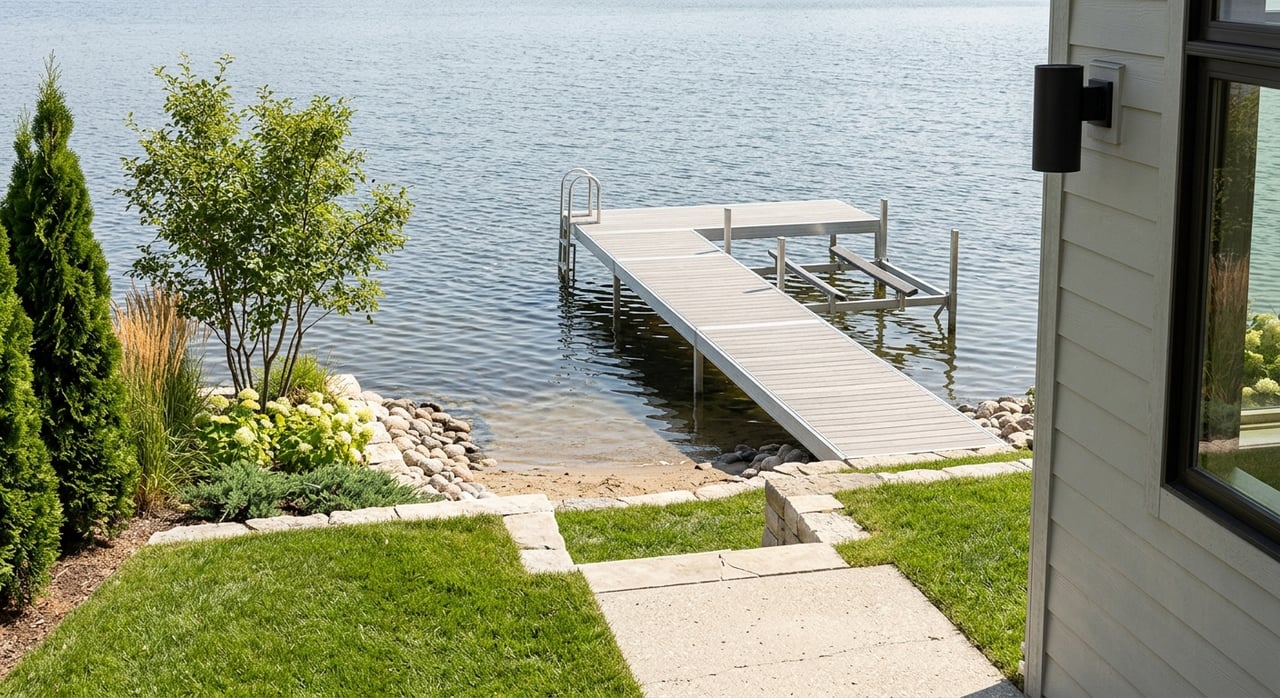
Lake access, private docks, and boating opportunities shape both lifestyle and pricing around Lake Minnetonka. Waterfront carries premiums and may bring extra insurance or maintenance considerations. If you value year-round outdoor amenities, weigh lake proximity against your budget and daily commute priorities.
A practical 90-day move-up plan
3–4 months before your move
- Get pre-approved for both sell-first and buy-first scenarios. Ask about HELOCs, bridge financing, and any buy-before-you-sell options. Start with the CFPB’s overview of HELOCs.
- Request a market valuation and a tailored listing strategy for your condo. Interview two to three listing agents and compare marketing plans.
- Shortlist three to five west-metro towns. Tour sample homes to learn how seller expectations differ by neighborhood.
1–2 months before
- Decide on timing: list first, buy first, or write contingent. Choose a backup financing plan in case market conditions shift.
- If in a condo, review the HOA’s most recent reserve study, financials, and any planned projects before setting your list price and timing.
- If under contract to buy, schedule inspections and plan for potential overlap with storage, movers, and a short rent-back if needed.
Listing, offers, and closing
- Selling first: Aim for a list window that lets you control showings and align closing dates with your suburban purchase.
- Buying first: Get all short-term financing terms in writing, including repayment milestones and costs.
- Coordinate closings with your title company, schedule the move, transfer utilities, and set aside cash for first-week items like yard tools, safety essentials, and initial landscaping.
West-metro focus areas to explore
If you are early in your search, many buyers compare a mix of lake-adjacent and inland options in towns such as Minnetonka, Wayzata, Orono, Mound, Deephaven, Shorewood, and Excelsior. Within each city, submarkets can vary block by block. Use recent comps, local assessments, and on-the-ground tours to calibrate value, commute, and lifestyle fit.
Ready to make your move?
If you are planning the shift from a Minneapolis condo to a west-metro single-family home, the right game plan will save time, stress, and money. From precise condo valuation and staging to west-metro neighborhood strategy and negotiation, you deserve a seasoned local team. Start a confidential conversation with Ian Petersen to map your move with clear numbers and a timeline that fits your life.
FAQs
Will my property taxes be higher in the west metro?
- Often yes in dollar terms because single-family homes typically have higher assessed values. Check the address in Hennepin County’s tools and confirm the city’s levy using the county assessment report.
How much should I budget for single-family maintenance?
- A common rule is about 1 percent of the home’s value per year, with more for older homes or lake-exposed structures. For context, see this summary of annual maintenance costs.
Can I buy a west-metro home before my condo sells?
- Yes. Options include a HELOC, short-term bridge financing, or a buy-before-you-sell program. Ask your lender about qualification, costs, and timing. Start with the CFPB’s HELOC guide.
What changes with insurance when I move from a condo to a house?
- You will switch from an HO-6 condo policy to a homeowners policy like HO-3 that covers the entire dwelling and detached structures. Premiums and deductibles differ. Review homeowners insurance basics and get quotes early.
Is a contingent offer competitive in the west metro?
- It can work in select situations, but many sellers prefer non-contingent offers. If you write contingent, keep the window short and have a strong, fast condo marketing plan aligned with current market conditions.