If you own a historic home in Minneapolis, you are not just selling square footage. You are selling architecture, craftsmanship, and a piece of the city’s story. That can be exciting, but it also comes with extra questions about designation status, disclosures, and what buyers can change after closing. When you understand those details before you list, you can market your home more clearly and avoid surprises. Let’s dive in.
Know Your Historic Status
One of the first things you should confirm is whether your home is simply older, individually locally designated, or located within a locally designated historic district. In Minneapolis, that distinction matters because local designation carries city review for certain alterations and demolitions, while age alone does not create that same layer of oversight.
According to the City of Minneapolis, the city has more than 200 locally designated landmarks and historic districts. If your property is locally designated, buyers will want to know what that means for future exterior projects and whether any past work required approval.
It is also important to understand the difference between local designation and National Register status. The City explains that National Register listing is honorary in Minneapolis, while local designation creates regulatory review for alterations and demolition. That is often one of the first clarification points buyers need.
Why designation affects a sale
Historic designation can shape how buyers think about updates, additions, and long-term maintenance. A buyer may love the charm of an older home, but they will still want to know if replacing windows, rebuilding a porch, or changing exterior materials could require city review.
That is why it helps to gather clear answers early. When you can explain the property’s designation status in plain language, you make your listing more transparent and easier for serious buyers to evaluate.
Understand What You Need to Disclose
Minnesota sellers of residential real property generally must provide a written disclosure before a purchase agreement is signed. Under Minnesota Statutes section 513.55, that disclosure must include known material facts that could adversely and significantly affect an ordinary buyer’s use and enjoyment of the property, or an intended use you know about.
For a historic home in Minneapolis, local designation is often a material fact because it can affect future exterior changes. The city’s local designation guidance makes clear that designated properties are subject to review for certain work, so you should be prepared to disclose whether the home is locally designated or located in a historic district.
If your home was built before 1978, there is another key requirement. The EPA states that sellers of most pre-1978 homes must follow the federal lead-based paint disclosure rule, which includes sharing known information, providing available records or reports, giving buyers the lead pamphlet, and allowing a 10-day inspection period unless that period is waived.
Historic-home disclosure checklist
Before listing, it helps to organize:
- Whether the home is individually locally designated
- Whether it is inside a locally designated historic district
- Any known city approvals tied to exterior work
- Records of permits or preservation review, if available
- Known lead-based paint information for pre-1978 homes
- Any reports or documents you plan to provide to buyers
A cleaner disclosure process builds trust. It also gives buyers fewer reasons to hesitate during negotiations.
Prepare the Home With Preservation in Mind
When you get a historic home ready for market, the goal is not to make it look new. The goal is to present it honestly, highlight what makes it special, and show buyers how it has been cared for over time.
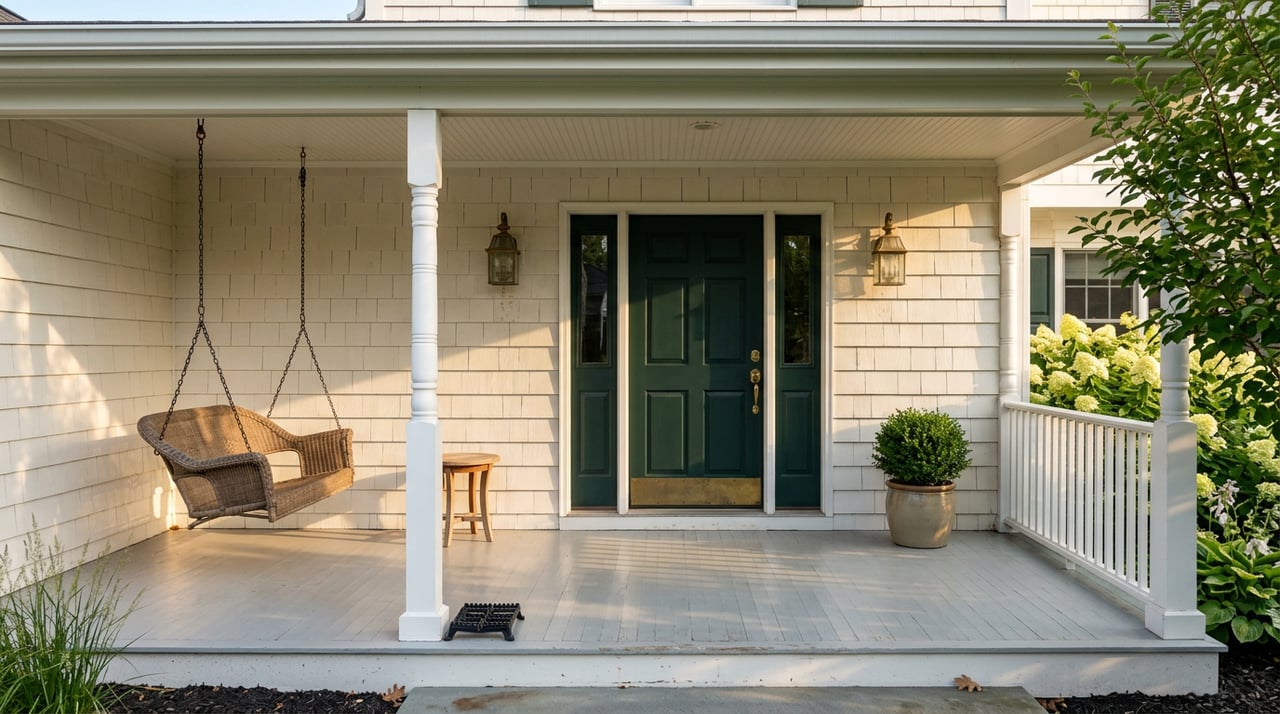
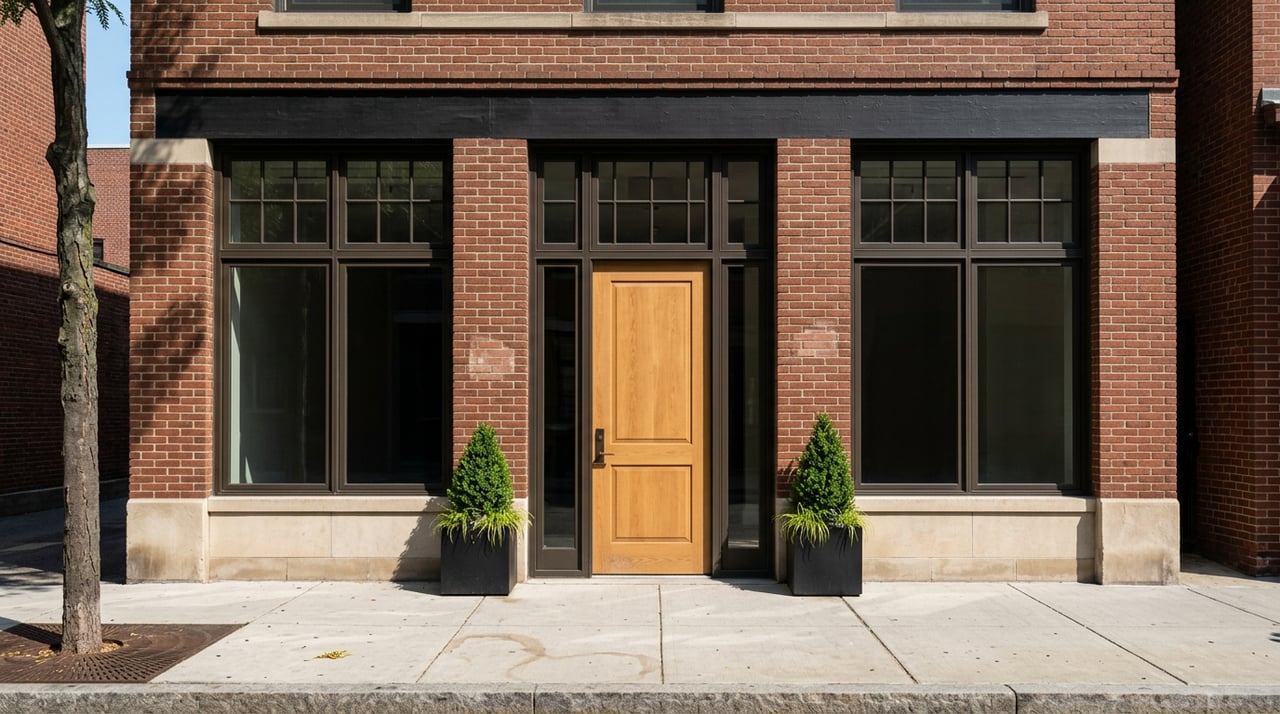
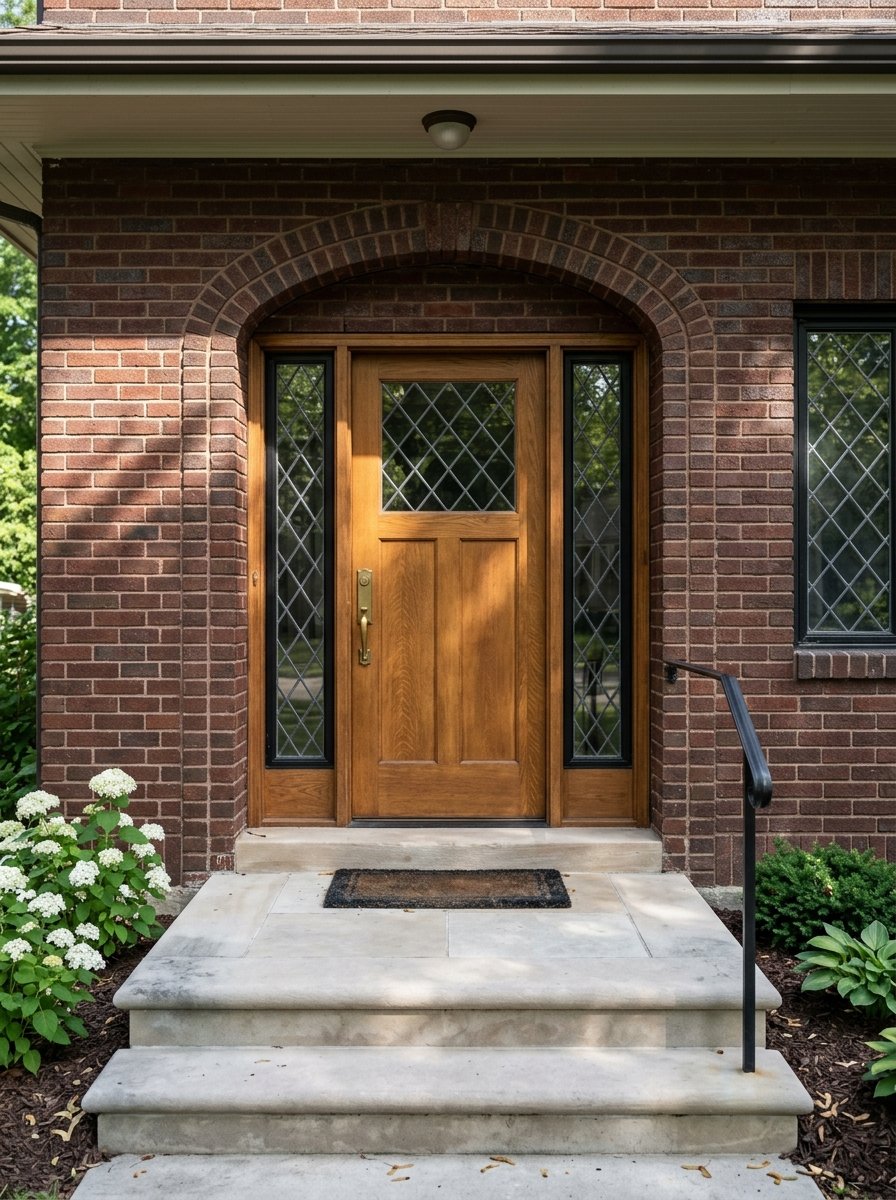
The City of Minneapolis notes in its Guide to Heritage Preservation and Preservation Review that character-defining features can include roofs, windows, surface materials, porches, steps, landscaping, and doors. Those visible details are often central to a buyer’s first impression and should be documented carefully.
That means your listing package should do more than show off pretty rooms. It should also help buyers understand the exterior features, materials, and architectural details that make the property distinctive.
What to document before listing
If possible, gather details such as:
- Year built
- Architect or builder, if known
- Designation status
- Major additions or exterior changes
- Preservation approvals related to visible work
- Original features that remain in place
- Compatible replacements or updates already completed
This information can strengthen your marketing and help answer buyer questions quickly. It also supports a more confident showing experience because prospective buyers can see the home has been presented thoughtfully.
Explain Past Updates Clearly
One common misconception is that historic designation means nothing can ever change. Minneapolis specifically notes that designation is not meant to freeze a building in time. The city explains that minor maintenance or in-kind work may be reviewed differently from major projects, such as additions, new construction, or large-scale rehabilitation.
That distinction matters when you market your home. Buyers often want to know what has already been updated and whether those updates were compatible with the home’s historic character.
If you have replaced roofing, repaired masonry, restored trim, or completed porch work, be ready to explain what was done. If approvals were required and obtained, that is useful context for buyers evaluating the property.
Updates buyers often ask about
In Minneapolis historic-home sales, buyers commonly ask about:
- Windows
- Porches and steps
- Roofing materials
- Masonry and tuckpointing
- Siding repair or replacement
- Doors and exterior trim
- Additions or major exterior remodels
The city’s preservation review information can help frame these conversations. For sellers, the key is not to overcomplicate the message. You simply want to show what has been maintained, what was updated, and what future owners may need to review with the city before making major exterior changes.
Tell the Home’s Story Well
Historic homes often stand out because they offer details newer homes cannot easily replicate. Original woodwork, masonry, trim profiles, porches, staircases, and window patterns give buyers something memorable to connect with.
The strongest marketing for a Minneapolis historic home usually ties the house to both its architecture and its place in the neighborhood’s development. City materials show how different areas grew through downtown migration, streetcar expansion, and early residential planning, which can give your listing meaningful context without drifting into vague or inflated language.
For example, the city describes Washburn-Fair Oaks as reflecting the movement of wealthy residents out of downtown in the 1800s, with large lots and styles including Queen Anne and Period Revival. It describes Milwaukee Avenue as the earliest planned workers’ community in Minneapolis, with Folk Victorian details such as open porches and carved spindlework. In Lowry Hill East, the city notes styles such as Colonial Revival, Queen Anne, Prairie School, and Craftsman, many with open front porches and double-hung windows.
Features worth highlighting
For listing photography and marketing copy, focus on details buyers can clearly see and understand, such as:
- Front porches and entry details
- Original or historically compatible windows
- Trim, millwork, and staircases
- Masonry and exterior materials
- Doors and hardware
- Streetscape presence and lot character
These are often the details that help buyers appreciate the home’s authenticity and upkeep. They also support stronger positioning in a market where presentation matters.
Anticipate Buyer Questions Early
Most buyers interested in a historic home will ask practical questions, not just design questions. They want to know what ownership will look like after closing and whether future projects could be more involved than they would be with a newer property.
If you are ready with direct answers, you can reduce uncertainty and keep interest high. This is especially important when your home appeals to buyers who value both character and a clear path forward.
Common questions from buyers
Here are a few questions sellers should expect:
- Is the home locally designated, or is it only old?
- Is the property inside a locally designated historic district?
- What exterior work may require city approval?
- Were any past changes approved by the city?
- Does the home require lead-based paint disclosure?
- Which features are original, and which are later replacements?
When these answers are prepared in advance, your listing feels more polished and trustworthy. That can make a real difference with historic properties, where uncertainty can easily slow a sale.
Why Strategic Presentation Matters
Selling a historic home in Minneapolis is part legal preparation, part storytelling, and part positioning. You want buyers to see both the beauty of the property and the practical realities of owning it.
That is where strong seller guidance matters. From identifying designation status to organizing disclosures and presenting architectural details with care, a thoughtful approach can help your home stand out for the right reasons.
If you are preparing to sell a historic home in Minneapolis, working with a team that values presentation, clear communication, and neighborhood context can make the process smoother from the start. Connect with Ian Petersen for expert guidance on pricing, seller preparation, and marketing strategy tailored to distinctive properties.
FAQs
What does local historic designation mean for a Minneapolis home seller?
- Local historic designation means certain alterations and demolition decisions may require City of Minneapolis review, which is important information to confirm and share with buyers.
What is the difference between National Register status and local designation in Minneapolis?
- In Minneapolis, National Register status is honorary only, while local designation carries regulatory review for certain exterior changes and demolitions.
What disclosures are required when selling a historic home in Minnesota?
- Minnesota sellers generally must provide written disclosure of known material facts, and sellers of most pre-1978 homes must also comply with federal lead-based paint disclosure rules.
What exterior features matter most when listing a Minneapolis historic home?
- Buyers often pay close attention to visible character-defining features such as porches, windows, doors, masonry, roofing, trim, and other exterior materials.
What buyer questions should sellers expect for a historic home in Minneapolis?
- Buyers often ask about local designation status, whether future exterior work needs approval, what updates have already been completed, and how lead-based paint disclosure applies to the property.